new

Get trending papers in your email inbox!

Subscribe

Daily Papers

byAK and the research community

Mar 3

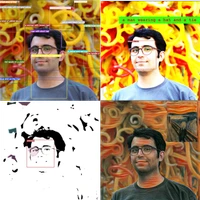
MULLER: Multilayer Laplacian Resizer for Vision

Image resizing operation is a fundamental preprocessing module in modern computer vision. Throughout the deep learning revolution, researchers have overlooked the potential of alternative resizing methods beyond the commonly used resizers that are readily available, such as nearest-neighbors, bilinear, and bicubic. The key question of our interest is whether the front-end resizer affects the performance of deep vision models? In this paper, we present an extremely lightweight multilayer Laplacian resizer with only a handful of trainable parameters, dubbed MULLER resizer. MULLER has a bandpass nature in that it learns to boost details in certain frequency subbands that benefit the downstream recognition models. We show that MULLER can be easily plugged into various training pipelines, and it effectively boosts the performance of the underlying vision task with little to no extra cost. Specifically, we select a state-of-the-art vision Transformer, MaxViT, as the baseline, and show that, if trained with MULLER, MaxViT gains up to 0.6% top-1 accuracy, and meanwhile enjoys 36% inference cost saving to achieve similar top-1 accuracy on ImageNet-1k, as compared to the standard training scheme. Notably, MULLER's performance also scales with model size and training data size such as ImageNet-21k and JFT, and it is widely applicable to multiple vision tasks, including image classification, object detection and segmentation, as well as image quality assessment.


  • 3 authors
·
Apr 6, 2023

Lookup Table meets Local Laplacian Filter: Pyramid Reconstruction Network for Tone Mapping

Tone mapping aims to convert high dynamic range (HDR) images to low dynamic range (LDR) representations, a critical task in the camera imaging pipeline. In recent years, 3-Dimensional LookUp Table (3D LUT) based methods have gained attention due to their ability to strike a favorable balance between enhancement performance and computational efficiency. However, these methods often fail to deliver satisfactory results in local areas since the look-up table is a global operator for tone mapping, which works based on pixel values and fails to incorporate crucial local information. To this end, this paper aims to address this issue by exploring a novel strategy that integrates global and local operators by utilizing closed-form Laplacian pyramid decomposition and reconstruction. Specifically, we employ image-adaptive 3D LUTs to manipulate the tone in the low-frequency image by leveraging the specific characteristics of the frequency information. Furthermore, we utilize local Laplacian filters to refine the edge details in the high-frequency components in an adaptive manner. Local Laplacian filters are widely used to preserve edge details in photographs, but their conventional usage involves manual tuning and fixed implementation within camera imaging pipelines or photo editing tools. We propose to learn parameter value maps progressively for local Laplacian filters from annotated data using a lightweight network. Our model achieves simultaneous global tone manipulation and local edge detail preservation in an end-to-end manner. Extensive experimental results on two benchmark datasets demonstrate that the proposed method performs favorably against state-of-the-art methods.

  • 7 authors
·
Oct 26, 2023

Learning Eigenstructures of Unstructured Data Manifolds

We introduce a novel framework that directly learns a spectral basis for shape and manifold analysis from unstructured data, eliminating the need for traditional operator selection, discretization, and eigensolvers. Grounded in optimal-approximation theory, we train a network to decompose an implicit approximation operator by minimizing the reconstruction error in the learned basis over a chosen distribution of probe functions. For suitable distributions, they can be seen as an approximation of the Laplacian operator and its eigendecomposition, which are fundamental in geometry processing. Furthermore, our method recovers in a unified manner not only the spectral basis, but also the implicit metric's sampling density and the eigenvalues of the underlying operator. Notably, our unsupervised method makes no assumption on the data manifold, such as meshing or manifold dimensionality, allowing it to scale to arbitrary datasets of any dimension. On point clouds lying on surfaces in 3D and high-dimensional image manifolds, our approach yields meaningful spectral bases, that can resemble those of the Laplacian, without explicit construction of an operator. By replacing the traditional operator selection, construction, and eigendecomposition with a learning-based approach, our framework offers a principled, data-driven alternative to conventional pipelines. This opens new possibilities in geometry processing for unstructured data, particularly in high-dimensional spaces.

EpiGRAF: Rethinking training of 3D GANs

A very recent trend in generative modeling is building 3D-aware generators from 2D image collections. To induce the 3D bias, such models typically rely on volumetric rendering, which is expensive to employ at high resolutions. During the past months, there appeared more than 10 works that address this scaling issue by training a separate 2D decoder to upsample a low-resolution image (or a feature tensor) produced from a pure 3D generator. But this solution comes at a cost: not only does it break multi-view consistency (i.e. shape and texture change when the camera moves), but it also learns the geometry in a low fidelity. In this work, we show that it is possible to obtain a high-resolution 3D generator with SotA image quality by following a completely different route of simply training the model patch-wise. We revisit and improve this optimization scheme in two ways. First, we design a location- and scale-aware discriminator to work on patches of different proportions and spatial positions. Second, we modify the patch sampling strategy based on an annealed beta distribution to stabilize training and accelerate the convergence. The resulted model, named EpiGRAF, is an efficient, high-resolution, pure 3D generator, and we test it on four datasets (two introduced in this work) at 256^2 and 512^2 resolutions. It obtains state-of-the-art image quality, high-fidelity geometry and trains {approx} 2.5 times faster than the upsampler-based counterparts. Project website: https://universome.github.io/epigraf.

  • 4 authors
·
Jun 21, 2022

ResAdapter: Domain Consistent Resolution Adapter for Diffusion Models

Recent advancement in text-to-image models (e.g., Stable Diffusion) and corresponding personalized technologies (e.g., DreamBooth and LoRA) enables individuals to generate high-quality and imaginative images. However, they often suffer from limitations when generating images with resolutions outside of their trained domain. To overcome this limitation, we present the Resolution Adapter (ResAdapter), a domain-consistent adapter designed for diffusion models to generate images with unrestricted resolutions and aspect ratios. Unlike other multi-resolution generation methods that process images of static resolution with complex post-process operations, ResAdapter directly generates images with the dynamical resolution. Especially, after learning a deep understanding of pure resolution priors, ResAdapter trained on the general dataset, generates resolution-free images with personalized diffusion models while preserving their original style domain. Comprehensive experiments demonstrate that ResAdapter with only 0.5M can process images with flexible resolutions for arbitrary diffusion models. More extended experiments demonstrate that ResAdapter is compatible with other modules (e.g., ControlNet, IP-Adapter and LCM-LoRA) for image generation across a broad range of resolutions, and can be integrated into other multi-resolution model (e.g., ElasticDiffusion) for efficiently generating higher-resolution images. Project link is https://res-adapter.github.io

  • 10 authors
·
Mar 4, 2024 1

NPGA: Neural Parametric Gaussian Avatars

The creation of high-fidelity, digital versions of human heads is an important stepping stone in the process of further integrating virtual components into our everyday lives. Constructing such avatars is a challenging research problem, due to a high demand for photo-realism and real-time rendering performance. In this work, we propose Neural Parametric Gaussian Avatars (NPGA), a data-driven approach to create high-fidelity, controllable avatars from multi-view video recordings. We build our method around 3D Gaussian Splatting for its highly efficient rendering and to inherit the topological flexibility of point clouds. In contrast to previous work, we condition our avatars' dynamics on the rich expression space of neural parametric head models (NPHM), instead of mesh-based 3DMMs. To this end, we distill the backward deformation field of our underlying NPHM into forward deformations which are compatible with rasterization-based rendering. All remaining fine-scale, expression-dependent details are learned from the multi-view videos. To increase the representational capacity of our avatars, we augment the canonical Gaussian point cloud using per-primitive latent features which govern its dynamic behavior. To regularize this increased dynamic expressivity, we propose Laplacian terms on the latent features and predicted dynamics. We evaluate our method on the public NeRSemble dataset, demonstrating that NPGA significantly outperforms the previous state-of-the-art avatars on the self-reenactment task by 2.6 PSNR. Furthermore, we demonstrate accurate animation capabilities from real-world monocular videos.

  • 5 authors
·
May 29, 2024

ResFormer: Scaling ViTs with Multi-Resolution Training

Vision Transformers (ViTs) have achieved overwhelming success, yet they suffer from vulnerable resolution scalability, i.e., the performance drops drastically when presented with input resolutions that are unseen during training. We introduce, ResFormer, a framework that is built upon the seminal idea of multi-resolution training for improved performance on a wide spectrum of, mostly unseen, testing resolutions. In particular, ResFormer operates on replicated images of different resolutions and enforces a scale consistency loss to engage interactive information across different scales. More importantly, to alternate among varying resolutions effectively, especially novel ones in testing, we propose a global-local positional embedding strategy that changes smoothly conditioned on input sizes. We conduct extensive experiments for image classification on ImageNet. The results provide strong quantitative evidence that ResFormer has promising scaling abilities towards a wide range of resolutions. For instance, ResFormer-B-MR achieves a Top-1 accuracy of 75.86% and 81.72% when evaluated on relatively low and high resolutions respectively (i.e., 96 and 640), which are 48% and 7.49% better than DeiT-B. We also demonstrate, moreover, ResFormer is flexible and can be easily extended to semantic segmentation, object detection and video action recognition. Code is available at https://github.com/ruitian12/resformer.

  • 6 authors
·
Dec 1, 2022

Enhancing Image Rescaling using Dual Latent Variables in Invertible Neural Network

Normalizing flow models have been used successfully for generative image super-resolution (SR) by approximating complex distribution of natural images to simple tractable distribution in latent space through Invertible Neural Networks (INN). These models can generate multiple realistic SR images from one low-resolution (LR) input using randomly sampled points in the latent space, simulating the ill-posed nature of image upscaling where multiple high-resolution (HR) images correspond to the same LR. Lately, the invertible process in INN has also been used successfully by bidirectional image rescaling models like IRN and HCFlow for joint optimization of downscaling and inverse upscaling, resulting in significant improvements in upscaled image quality. While they are optimized for image downscaling too, the ill-posed nature of image downscaling, where one HR image could be downsized to multiple LR images depending on different interpolation kernels and resampling methods, is not considered. A new downscaling latent variable, in addition to the original one representing uncertainties in image upscaling, is introduced to model variations in the image downscaling process. This dual latent variable enhancement is applicable to different image rescaling models and it is shown in extensive experiments that it can improve image upscaling accuracy consistently without sacrificing image quality in downscaled LR images. It is also shown to be effective in enhancing other INN-based models for image restoration applications like image hiding.

  • 4 authors
·
Jul 24, 2022

When Do We Not Need Larger Vision Models?

Scaling up the size of vision models has been the de facto standard to obtain more powerful visual representations. In this work, we discuss the point beyond which larger vision models are not necessary. First, we demonstrate the power of Scaling on Scales (S^2), whereby a pre-trained and frozen smaller vision model (e.g., ViT-B or ViT-L), run over multiple image scales, can outperform larger models (e.g., ViT-H or ViT-G) on classification, segmentation, depth estimation, Multimodal LLM (MLLM) benchmarks, and robotic manipulation. Notably, S^2 achieves state-of-the-art performance in detailed understanding of MLLM on the V* benchmark, surpassing models such as GPT-4V. We examine the conditions under which S^2 is a preferred scaling approach compared to scaling on model size. While larger models have the advantage of better generalization on hard examples, we show that features of larger vision models can be well approximated by those of multi-scale smaller models. This suggests most, if not all, of the representations learned by current large pre-trained models can also be obtained from multi-scale smaller models. Our results show that a multi-scale smaller model has comparable learning capacity to a larger model, and pre-training smaller models with S^2 can match or even exceed the advantage of larger models. We release a Python package that can apply S^2 on any vision model with one line of code: https://github.com/bfshi/scaling_on_scales.

  • 5 authors
·
Mar 19, 2024 2

Real-Time Single Image and Video Super-Resolution Using an Efficient Sub-Pixel Convolutional Neural Network

Recently, several models based on deep neural networks have achieved great success in terms of both reconstruction accuracy and computational performance for single image super-resolution. In these methods, the low resolution (LR) input image is upscaled to the high resolution (HR) space using a single filter, commonly bicubic interpolation, before reconstruction. This means that the super-resolution (SR) operation is performed in HR space. We demonstrate that this is sub-optimal and adds computational complexity. In this paper, we present the first convolutional neural network (CNN) capable of real-time SR of 1080p videos on a single K2 GPU. To achieve this, we propose a novel CNN architecture where the feature maps are extracted in the LR space. In addition, we introduce an efficient sub-pixel convolution layer which learns an array of upscaling filters to upscale the final LR feature maps into the HR output. By doing so, we effectively replace the handcrafted bicubic filter in the SR pipeline with more complex upscaling filters specifically trained for each feature map, whilst also reducing the computational complexity of the overall SR operation. We evaluate the proposed approach using images and videos from publicly available datasets and show that it performs significantly better (+0.15dB on Images and +0.39dB on Videos) and is an order of magnitude faster than previous CNN-based methods.

  • 8 authors
·
Sep 16, 2016

A Pressure Ulcer Care System For Remote Medical Assistance: Residual U-Net with an Attention Model Based for Wound Area Segmentation

Increasing numbers of patients with disabilities or elderly people with mobility issues often suffer from a pressure ulcer. The affected areas need regular checks, but they have a difficulty in accessing a hospital. Some remote diagnosis systems are being used for them, but there are limitations in checking a patient's status regularly. In this paper, we present a remote medical assistant that can help pressure ulcer management with image processing techniques. The proposed system includes a mobile application with a deep learning model for wound segmentation and analysis. As there are not enough data to train the deep learning model, we make use of a pretrained model from a relevant domain and data augmentation that is appropriate for this task. First of all, an image preprocessing method using bilinear interpolation is used to resize images and normalize the images. Second, for data augmentation, we use rotation, reflection, and a watershed algorithm. Third, we use a pretrained deep learning model generated from skin wound images similar to pressure ulcer images. Finally, we added an attention module that can provide hints on the pressure ulcer image features. The resulting model provides an accuracy of 99.0%, an intersection over union (IoU) of 99.99%, and a dice similarity coefficient (DSC) of 93.4% for pressure ulcer segmentation, which is better than existing results.

  • 3 authors
·
Jan 23, 2021

CuNeRF: Cube-Based Neural Radiance Field for Zero-Shot Medical Image Arbitrary-Scale Super Resolution

Medical image arbitrary-scale super-resolution (MIASSR) has recently gained widespread attention, aiming to super sample medical volumes at arbitrary scales via a single model. However, existing MIASSR methods face two major limitations: (i) reliance on high-resolution (HR) volumes and (ii) limited generalization ability, which restricts their application in various scenarios. To overcome these limitations, we propose Cube-based Neural Radiance Field (CuNeRF), a zero-shot MIASSR framework that can yield medical images at arbitrary scales and viewpoints in a continuous domain. Unlike existing MIASSR methods that fit the mapping between low-resolution (LR) and HR volumes, CuNeRF focuses on building a coordinate-intensity continuous representation from LR volumes without the need for HR references. This is achieved by the proposed differentiable modules: including cube-based sampling, isotropic volume rendering, and cube-based hierarchical rendering. Through extensive experiments on magnetic resource imaging (MRI) and computed tomography (CT) modalities, we demonstrate that CuNeRF outperforms state-of-the-art MIASSR methods. CuNeRF yields better visual verisimilitude and reduces aliasing artifacts at various upsampling factors. Moreover, our CuNeRF does not need any LR-HR training pairs, which is more flexible and easier to be used than others. Our code will be publicly available soon.

  • 4 authors
·
Mar 28, 2023

Emo-Avatar: Efficient Monocular Video Style Avatar through Texture Rendering

Artistic video portrait generation is a significant and sought-after task in the fields of computer graphics and vision. While various methods have been developed that integrate NeRFs or StyleGANs with instructional editing models for creating and editing drivable portraits, these approaches face several challenges. They often rely heavily on large datasets, require extensive customization processes, and frequently result in reduced image quality. To address the above problems, we propose the Efficient Monotonic Video Style Avatar (Emo-Avatar) through deferred neural rendering that enhances StyleGAN's capacity for producing dynamic, drivable portrait videos. We proposed a two-stage deferred neural rendering pipeline. In the first stage, we utilize few-shot PTI initialization to initialize the StyleGAN generator through several extreme poses sampled from the video to capture the consistent representation of aligned faces from the target portrait. In the second stage, we propose a Laplacian pyramid for high-frequency texture sampling from UV maps deformed by dynamic flow of expression for motion-aware texture prior integration to provide torso features to enhance StyleGAN's ability to generate complete and upper body for portrait video rendering. Emo-Avatar reduces style customization time from hours to merely 5 minutes compared with existing methods. In addition, Emo-Avatar requires only a single reference image for editing and employs region-aware contrastive learning with semantic invariant CLIP guidance, ensuring consistent high-resolution output and identity preservation. Through both quantitative and qualitative assessments, Emo-Avatar demonstrates superior performance over existing methods in terms of training efficiency, rendering quality and editability in self- and cross-reenactment.

  • 8 authors
·
Feb 1, 2024 1

One Small Step in Latent, One Giant Leap for Pixels: Fast Latent Upscale Adapter for Your Diffusion Models

Diffusion models struggle to scale beyond their training resolutions, as direct high-resolution sampling is slow and costly, while post-hoc image super-resolution (ISR) introduces artifacts and additional latency by operating after decoding. We present the Latent Upscaler Adapter (LUA), a lightweight module that performs super-resolution directly on the generator's latent code before the final VAE decoding step. LUA integrates as a drop-in component, requiring no modifications to the base model or additional diffusion stages, and enables high-resolution synthesis through a single feed-forward pass in latent space. A shared Swin-style backbone with scale-specific pixel-shuffle heads supports 2x and 4x factors and remains compatible with image-space SR baselines, achieving comparable perceptual quality with nearly 3x lower decoding and upscaling time (adding only +0.42 s for 1024 px generation from 512 px, compared to 1.87 s for pixel-space SR using the same SwinIR architecture). Furthermore, LUA shows strong generalization across the latent spaces of different VAEs, making it easy to deploy without retraining from scratch for each new decoder. Extensive experiments demonstrate that LUA closely matches the fidelity of native high-resolution generation while offering a practical and efficient path to scalable, high-fidelity image synthesis in modern diffusion pipelines.

  • 3 authors
·
Nov 13, 2025 10

Enhanced Scale-aware Depth Estimation for Monocular Endoscopic Scenes with Geometric Modeling

Scale-aware monocular depth estimation poses a significant challenge in computer-aided endoscopic navigation. However, existing depth estimation methods that do not consider the geometric priors struggle to learn the absolute scale from training with monocular endoscopic sequences. Additionally, conventional methods face difficulties in accurately estimating details on tissue and instruments boundaries. In this paper, we tackle these problems by proposing a novel enhanced scale-aware framework that only uses monocular images with geometric modeling for depth estimation. Specifically, we first propose a multi-resolution depth fusion strategy to enhance the quality of monocular depth estimation. To recover the precise scale between relative depth and real-world values, we further calculate the 3D poses of instruments in the endoscopic scenes by algebraic geometry based on the image-only geometric primitives (i.e., boundaries and tip of instruments). Afterwards, the 3D poses of surgical instruments enable the scale recovery of relative depth maps. By coupling scale factors and relative depth estimation, the scale-aware depth of the monocular endoscopic scenes can be estimated. We evaluate the pipeline on in-house endoscopic surgery videos and simulated data. The results demonstrate that our method can learn the absolute scale with geometric modeling and accurately estimate scale-aware depth for monocular scenes.

  • 6 authors
·
Aug 13, 2024

Accelerating Image Super-Resolution Networks with Pixel-Level Classification

In recent times, the need for effective super-resolution (SR) techniques has surged, especially for large-scale images ranging 2K to 8K resolutions. For DNN-based SISR, decomposing images into overlapping patches is typically necessary due to computational constraints. In such patch-decomposing scheme, one can allocate computational resources differently based on each patch's difficulty to further improve efficiency while maintaining SR performance. However, this approach has a limitation: computational resources is uniformly allocated within a patch, leading to lower efficiency when the patch contain pixels with varying levels of restoration difficulty. To address the issue, we propose the Pixel-level Classifier for Single Image Super-Resolution (PCSR), a novel method designed to distribute computational resources adaptively at the pixel level. A PCSR model comprises a backbone, a pixel-level classifier, and a set of pixel-level upsamplers with varying capacities. The pixel-level classifier assigns each pixel to an appropriate upsampler based on its restoration difficulty, thereby optimizing computational resource usage. Our method allows for performance and computational cost balance during inference without re-training. Our experiments demonstrate PCSR's advantage over existing patch-distributing methods in PSNR-FLOP trade-offs across different backbone models and benchmarks. The code is available at https://github.com/3587jjh/PCSR.

  • 4 authors
·
Jul 31, 2024 1

DARE the Extreme: Revisiting Delta-Parameter Pruning For Fine-Tuned Models

Storing open-source fine-tuned models separately introduces redundancy and increases response times in applications utilizing multiple models. Delta-parameter pruning (DPP), particularly the random drop and rescale (DARE) method proposed by Yu et al., addresses this by pruning the majority of delta parameters--the differences between fine-tuned and pre-trained model weights--while typically maintaining minimal performance loss. However, DARE fails when either the pruning rate or the magnitude of the delta parameters is large. We highlight two key reasons for this failure: (1) an excessively large rescaling factor as pruning rates increase, and (2) high mean and variance in the delta parameters. To push DARE's limits, we introduce DAREx (DARE the eXtreme), which features two algorithmic improvements: (1) DAREx-q, a rescaling factor modification that significantly boosts performance at high pruning rates (e.g., >30 % on COLA and SST2 for encoder models, with even greater gains in decoder models), and (2) DAREx-L2, which combines DARE with AdamR, an in-training method that applies appropriate delta regularization before DPP. We also demonstrate that DAREx-q can be seamlessly combined with vanilla parameter-efficient fine-tuning techniques like LoRA and can facilitate structural DPP. Additionally, we revisit the application of importance-based pruning techniques within DPP, demonstrating that they outperform random-based methods when delta parameters are large. Through this comprehensive study, we develop a pipeline for selecting the most appropriate DPP method under various practical scenarios.

  • 6 authors
·
Oct 11, 2024

GigaTok: Scaling Visual Tokenizers to 3 Billion Parameters for Autoregressive Image Generation

In autoregressive (AR) image generation, visual tokenizers compress images into compact discrete latent tokens, enabling efficient training of downstream autoregressive models for visual generation via next-token prediction. While scaling visual tokenizers improves image reconstruction quality, it often degrades downstream generation quality -- a challenge not adequately addressed in existing literature. To address this, we introduce GigaTok, the first approach to simultaneously improve image reconstruction, generation, and representation learning when scaling visual tokenizers. We identify the growing complexity of latent space as the key factor behind the reconstruction vs. generation dilemma. To mitigate this, we propose semantic regularization, which aligns tokenizer features with semantically consistent features from a pre-trained visual encoder. This constraint prevents excessive latent space complexity during scaling, yielding consistent improvements in both reconstruction and downstream autoregressive generation. Building on semantic regularization, we explore three key practices for scaling tokenizers:(1) using 1D tokenizers for better scalability, (2) prioritizing decoder scaling when expanding both encoder and decoder, and (3) employing entropy loss to stabilize training for billion-scale tokenizers. By scaling to 3 space billion parameters, GigaTok achieves state-of-the-art performance in reconstruction, downstream AR generation, and downstream AR representation quality.

  • 5 authors
·
Apr 11, 2025 2

LDLT L-Lipschitz Network: Generalized Deep End-To-End Lipschitz Network Construction

Deep residual networks (ResNets) have demonstrated outstanding success in computer vision tasks, attributed to their ability to maintain gradient flow through deep architectures. Simultaneously, controlling the Lipschitz constant in neural networks has emerged as an essential area of research to enhance adversarial robustness and network certifiability. This paper presents a rigorous approach to the general design of L-Lipschitz deep residual networks using a Linear Matrix Inequality (LMI) framework. Initially, the ResNet architecture was reformulated as a cyclic tridiagonal LMI, and closed-form constraints on network parameters were derived to ensure L-Lipschitz continuity; however, using a new LDL^top decomposition approach for certifying LMI feasibility, we extend the construction of L-Lipchitz networks to any other nonlinear architecture. Our contributions include a provable parameterization methodology for constructing Lipschitz-constrained residual networks and other hierarchical architectures. Cholesky decomposition is also used for efficient parameterization. These findings enable robust network designs applicable to adversarial robustness, certified training, and control systems. The LDL^top formulation is shown to be a tight relaxation of the SDP-based network, maintaining full expressiveness and achieving 3\%-13\% accuracy gains over SLL Layers on 121 UCI data sets.

  • 4 authors
·
Dec 5, 2025

Effective Invertible Arbitrary Image Rescaling

Great successes have been achieved using deep learning techniques for image super-resolution (SR) with fixed scales. To increase its real world applicability, numerous models have also been proposed to restore SR images with arbitrary scale factors, including asymmetric ones where images are resized to different scales along horizontal and vertical directions. Though most models are only optimized for the unidirectional upscaling task while assuming a predefined downscaling kernel for low-resolution (LR) inputs, recent models based on Invertible Neural Networks (INN) are able to increase upscaling accuracy significantly by optimizing the downscaling and upscaling cycle jointly. However, limited by the INN architecture, it is constrained to fixed integer scale factors and requires one model for each scale. Without increasing model complexity, a simple and effective invertible arbitrary rescaling network (IARN) is proposed to achieve arbitrary image rescaling by training only one model in this work. Using innovative components like position-aware scale encoding and preemptive channel splitting, the network is optimized to convert the non-invertible rescaling cycle to an effectively invertible process. It is shown to achieve a state-of-the-art (SOTA) performance in bidirectional arbitrary rescaling without compromising perceptual quality in LR outputs. It is also demonstrated to perform well on tests with asymmetric scales using the same network architecture.

  • 5 authors
·
Sep 26, 2022

Downscaled Representation Matters: Improving Image Rescaling with Collaborative Downscaled Images

Deep networks have achieved great success in image rescaling (IR) task that seeks to learn the optimal downscaled representations, i.e., low-resolution (LR) images, to reconstruct the original high-resolution (HR) images. Compared with super-resolution methods that consider a fixed downscaling scheme, e.g., bicubic, IR often achieves significantly better reconstruction performance thanks to the learned downscaled representations. This highlights the importance of a good downscaled representation in image reconstruction tasks. Existing IR methods mainly learn the downscaled representation by jointly optimizing the downscaling and upscaling models. Unlike them, we seek to improve the downscaled representation through a different and more direct way: optimizing the downscaled image itself instead of the down-/upscaling models. Specifically, we propose a collaborative downscaling scheme that directly generates the collaborative LR examples by descending the gradient w.r.t. the reconstruction loss on them to benefit the IR process. Furthermore, since LR images are downscaled from the corresponding HR images, one can also improve the downscaled representation if we have a better representation in the HR domain. Inspired by this, we propose a Hierarchical Collaborative Downscaling (HCD) method that performs gradient descent in both HR and LR domains to improve the downscaled representations. Extensive experiments show that our HCD significantly improves the reconstruction performance both quantitatively and qualitatively. Moreover, we also highlight the flexibility of our HCD since it can generalize well across diverse IR models.

  • 5 authors
·
Nov 19, 2022

LoLDU: Low-Rank Adaptation via Lower-Diag-Upper Decomposition for Parameter-Efficient Fine-Tuning

The rapid growth of model scale has necessitated substantial computational resources for fine-tuning. Existing approach such as Low-Rank Adaptation (LoRA) has sought to address the problem of handling the large updated parameters in full fine-tuning. However, LoRA utilize random initialization and optimization of low-rank matrices to approximate updated weights, which can result in suboptimal convergence and an accuracy gap compared to full fine-tuning. To address these issues, we propose LoLDU, a Parameter-Efficient Fine-Tuning (PEFT) approach that significantly reduces trainable parameters by 2600 times compared to regular PEFT methods while maintaining comparable performance. LoLDU leverages Lower-Diag-Upper Decomposition (LDU) to initialize low-rank matrices for faster convergence and orthogonality. We focus on optimizing the diagonal matrix for scaling transformations. To the best of our knowledge, LoLDU has the fewest parameters among all PEFT approaches. We conducted extensive experiments across 4 instruction-following datasets, 6 natural language understanding (NLU) datasets, 8 image classification datasets, and image generation datasets with multiple model types (LLaMA2, RoBERTa, ViT, and Stable Diffusion), providing a comprehensive and detailed analysis. Our open-source code can be accessed at https://github.com/SKDDJ/LoLDU{https://github.com/SKDDJ/LoLDU}.

  • 7 authors
·
Oct 17, 2024 2

GS2Pose: Two-stage 6D Object Pose Estimation Guided by Gaussian Splatting

This paper proposes a new method for accurate and robust 6D pose estimation of novel objects, named GS2Pose. By introducing 3D Gaussian splatting, GS2Pose can utilize the reconstruction results without requiring a high-quality CAD model, which means it only requires segmented RGBD images as input. Specifically, GS2Pose employs a two-stage structure consisting of coarse estimation followed by refined estimation. In the coarse stage, a lightweight U-Net network with a polarization attention mechanism, called Pose-Net, is designed. By using the 3DGS model for supervised training, Pose-Net can generate NOCS images to compute a coarse pose. In the refinement stage, GS2Pose formulates a pose regression algorithm following the idea of reprojection or Bundle Adjustment (BA), referred to as GS-Refiner. By leveraging Lie algebra to extend 3DGS, GS-Refiner obtains a pose-differentiable rendering pipeline that refines the coarse pose by comparing the input images with the rendered images. GS-Refiner also selectively updates parameters in the 3DGS model to achieve environmental adaptation, thereby enhancing the algorithm's robustness and flexibility to illuminative variation, occlusion, and other challenging disruptive factors. GS2Pose was evaluated through experiments conducted on the LineMod dataset, where it was compared with similar algorithms, yielding highly competitive results. The code for GS2Pose will soon be released on GitHub.

  • 3 authors
·
Nov 6, 2024

Learning to Efficiently Adapt Foundation Models for Self-Supervised Endoscopic 3D Scene Reconstruction from Any Cameras

Accurate 3D scene reconstruction is essential for numerous medical tasks. Given the challenges in obtaining ground truth data, there has been an increasing focus on self-supervised learning (SSL) for endoscopic depth estimation as a basis for scene reconstruction. While foundation models have shown remarkable progress in visual tasks, their direct application to the medical domain often leads to suboptimal results. However, the visual features from these models can still enhance endoscopic tasks, emphasizing the need for efficient adaptation strategies, which still lack exploration currently. In this paper, we introduce Endo3DAC, a unified framework for endoscopic scene reconstruction that efficiently adapts foundation models. We design an integrated network capable of simultaneously estimating depth maps, relative poses, and camera intrinsic parameters. By freezing the backbone foundation model and training only the specially designed Gated Dynamic Vector-Based Low-Rank Adaptation (GDV-LoRA) with separate decoder heads, Endo3DAC achieves superior depth and pose estimation while maintaining training efficiency. Additionally, we propose a 3D scene reconstruction pipeline that optimizes depth maps' scales, shifts, and a few parameters based on our integrated network. Extensive experiments across four endoscopic datasets demonstrate that Endo3DAC significantly outperforms other state-of-the-art methods while requiring fewer trainable parameters. To our knowledge, we are the first to utilize a single network that only requires surgical videos to perform both SSL depth estimation and scene reconstruction tasks. The code will be released upon acceptance.

  • 11 authors
·
Mar 20, 2025

HyperTopo-Adapters: Geometry- and Topology-Aware Segmentation of Leaf Lesions on Frozen Encoders

Leaf-lesion segmentation is topology-sensitive: small merges, splits, or false holes can be biologically meaningful descriptors of biochemical pathways, yet they are weakly penalized by standard pixel-wise losses in Euclidean latents. I explore HyperTopo-Adapters, a lightweight, parameter-efficient head trained on top of a frozen vision encoder, which embeds features on a product manifold -- hyperbolic + Euclidean + spherical (H + E + S) -- to encourage hierarchical separation (H), local linear detail (E), and global closure (S). A topology prior complements Dice/BCE in two forms: (i) persistent-homology (PH) distance for evaluation and selection, and (ii) a differentiable surrogate that combines a soft Euler-characteristic match with total variation regularization for stable training. I introduce warm-ups for both the hyperbolic contrastive term and the topology prior, per-sample evaluation of structure-aware metrics (Boundary-F1, Betti errors, PD distance), and a min-PD within top-K Dice rule for checkpoint selection. On a Kaggle leaf-lesion dataset (N=2,940), early results show consistent gains in boundary and topology metrics (reducing Delta beta_1 hole error by 9%) while Dice/IoU remain competitive. The study is diagnostic by design: I report controlled ablations (curvature learning, latent dimensions, contrastive temperature, surrogate settings), and ongoing tests varying encoder strength (ResNet-50, DeepLabV3, DINOv2/v3), input resolution, PH weight, and partial unfreezing of late blocks. The contribution is an open, reproducible train/eval suite (available at https://github.com/ChimdiWalter/HyperTopo-Adapters) that isolates geometric/topological priors and surfaces failure modes to guide stronger, topology-preserving architectures.

  • 2 authors
·
Dec 28, 2025

Beyond LLaVA-HD: Diving into High-Resolution Large Multimodal Models

Seeing clearly with high resolution is a foundation of Large Multimodal Models (LMMs), which has been proven to be vital for visual perception and reasoning. Existing works usually employ a straightforward resolution upscaling method, where the image consists of global and local branches, with the latter being the sliced image patches but resized to the same resolution as the former. This means that higher resolution requires more local patches, resulting in exorbitant computational expenses, and meanwhile, the dominance of local image tokens may diminish the global context. In this paper, we dive into the problems and propose a new framework as well as an elaborate optimization strategy. Specifically, we extract contextual information from the global view using a mixture of adapters, based on the observation that different adapters excel at different tasks. With regard to local patches, learnable query embeddings are introduced to reduce image tokens, the most important tokens accounting for the user question will be further selected by a similarity-based selector. Our empirical results demonstrate a `less is more' pattern, where utilizing fewer but more informative local image tokens leads to improved performance. Besides, a significant challenge lies in the training strategy, as simultaneous end-to-end training of the global mining block and local compression block does not yield optimal results. We thus advocate for an alternating training way, ensuring balanced learning between global and local aspects. Finally, we also introduce a challenging dataset with high requirements for image detail, enhancing the training of the local compression layer. The proposed method, termed LMM with Sophisticated Tasks, Local image compression, and Mixture of global Experts (SliME), achieves leading performance across various benchmarks with only 2 million training data.

  • 7 authors
·
Jun 12, 2024 2

SAGS: Structure-Aware 3D Gaussian Splatting

Following the advent of NeRFs, 3D Gaussian Splatting (3D-GS) has paved the way to real-time neural rendering overcoming the computational burden of volumetric methods. Following the pioneering work of 3D-GS, several methods have attempted to achieve compressible and high-fidelity performance alternatives. However, by employing a geometry-agnostic optimization scheme, these methods neglect the inherent 3D structure of the scene, thereby restricting the expressivity and the quality of the representation, resulting in various floating points and artifacts. In this work, we propose a structure-aware Gaussian Splatting method (SAGS) that implicitly encodes the geometry of the scene, which reflects to state-of-the-art rendering performance and reduced storage requirements on benchmark novel-view synthesis datasets. SAGS is founded on a local-global graph representation that facilitates the learning of complex scenes and enforces meaningful point displacements that preserve the scene's geometry. Additionally, we introduce a lightweight version of SAGS, using a simple yet effective mid-point interpolation scheme, which showcases a compact representation of the scene with up to 24times size reduction without the reliance on any compression strategies. Extensive experiments across multiple benchmark datasets demonstrate the superiority of SAGS compared to state-of-the-art 3D-GS methods under both rendering quality and model size. Besides, we demonstrate that our structure-aware method can effectively mitigate floating artifacts and irregular distortions of previous methods while obtaining precise depth maps. Project page https://eververas.github.io/SAGS/.

  • 5 authors
·
Apr 29, 2024 1

3D Convex Splatting: Radiance Field Rendering with 3D Smooth Convexes

Recent advances in radiance field reconstruction, such as 3D Gaussian Splatting (3DGS), have achieved high-quality novel view synthesis and fast rendering by representing scenes with compositions of Gaussian primitives. However, 3D Gaussians present several limitations for scene reconstruction. Accurately capturing hard edges is challenging without significantly increasing the number of Gaussians, creating a large memory footprint. Moreover, they struggle to represent flat surfaces, as they are diffused in space. Without hand-crafted regularizers, they tend to disperse irregularly around the actual surface. To circumvent these issues, we introduce a novel method, named 3D Convex Splatting (3DCS), which leverages 3D smooth convexes as primitives for modeling geometrically-meaningful radiance fields from multi-view images. Smooth convex shapes offer greater flexibility than Gaussians, allowing for a better representation of 3D scenes with hard edges and dense volumes using fewer primitives. Powered by our efficient CUDA-based rasterizer, 3DCS achieves superior performance over 3DGS on benchmarks such as Mip-NeRF360, Tanks and Temples, and Deep Blending. Specifically, our method attains an improvement of up to 0.81 in PSNR and 0.026 in LPIPS compared to 3DGS while maintaining high rendering speeds and reducing the number of required primitives. Our results highlight the potential of 3D Convex Splatting to become the new standard for high-quality scene reconstruction and novel view synthesis. Project page: convexsplatting.github.io.

  • 9 authors
·
Nov 22, 2024 5

SuperCarver: Texture-Consistent 3D Geometry Super-Resolution for High-Fidelity Surface Detail Generation

Conventional production workflow of high-precision mesh assets necessitates a cumbersome and laborious process of manual sculpting by specialized 3D artists/modelers. The recent years have witnessed remarkable advances in AI-empowered 3D content creation for generating plausible structures and intricate appearances from images or text prompts. However, synthesizing realistic surface details still poses great challenges, and enhancing the geometry fidelity of existing lower-quality 3D meshes (instead of image/text-to-3D generation) remains an open problem. In this paper, we introduce SuperCarver, a 3D geometry super-resolution pipeline for supplementing texture-consistent surface details onto a given coarse mesh. We start by rendering the original textured mesh into the image domain from multiple viewpoints. To achieve detail boosting, we construct a deterministic prior-guided normal diffusion model, which is fine-tuned on a carefully curated dataset of paired detail-lacking and detail-rich normal map renderings. To update mesh surfaces from potentially imperfect normal map predictions, we design a noise-resistant inverse rendering scheme through deformable distance field. Experiments demonstrate that our SuperCarver is capable of generating realistic and expressive surface details depicted by the actual texture appearance, making it a powerful tool to both upgrade historical low-quality 3D assets and reduce the workload of sculpting high-poly meshes.

  • 5 authors
·
Mar 12, 2025

Rethinking Brain Tumor Segmentation from the Frequency Domain Perspective

Precise segmentation of brain tumors, particularly contrast-enhancing regions visible in post-contrast MRI (areas highlighted by contrast agent injection), is crucial for accurate clinical diagnosis and treatment planning but remains challenging. However, current methods exhibit notable performance degradation in segmenting these enhancing brain tumor areas, largely due to insufficient consideration of MRI-specific tumor features such as complex textures and directional variations. To address this, we propose the Harmonized Frequency Fusion Network (HFF-Net), which rethinks brain tumor segmentation from a frequency-domain perspective. To comprehensively characterize tumor regions, we develop a Frequency Domain Decomposition (FDD) module that separates MRI images into low-frequency components, capturing smooth tumor contours and high-frequency components, highlighting detailed textures and directional edges. To further enhance sensitivity to tumor boundaries, we introduce an Adaptive Laplacian Convolution (ALC) module that adaptively emphasizes critical high-frequency details using dynamically updated convolution kernels. To effectively fuse tumor features across multiple scales, we design a Frequency Domain Cross-Attention (FDCA) integrating semantic, positional, and slice-specific information. We further validate and interpret frequency-domain improvements through visualization, theoretical reasoning, and experimental analyses. Extensive experiments on four public datasets demonstrate that HFF-Net achieves an average relative improvement of 4.48\% (ranging from 2.39\% to 7.72\%) in the mean Dice scores across the three major subregions, and an average relative improvement of 7.33% (ranging from 5.96% to 8.64%) in the segmentation of contrast-enhancing tumor regions, while maintaining favorable computational efficiency and clinical applicability. Code: https://github.com/VinyehShaw/HFF.

  • 8 authors
·
Jun 11, 2025

SALT: Singular Value Adaptation with Low-Rank Transformation

The complex nature of medical image segmentation calls for models that are specifically designed to capture detailed, domain-specific features. Large foundation models offer considerable flexibility, yet the cost of fine-tuning these models remains a significant barrier. Parameter-Efficient Fine-Tuning (PEFT) methods, such as Low-Rank Adaptation (LoRA), efficiently update model weights with low-rank matrices but may suffer from underfitting when the chosen rank is insufficient to capture domain-specific nuances. Conversely, full-rank Singular Value Decomposition (SVD) based methods provide comprehensive updates by modifying all singular values, yet they often lack flexibility and exhibit variable performance across datasets. We propose SALT (Singular Value Adaptation with Low-Rank Transformation), a method that selectively adapts the most influential singular values using trainable scale and shift parameters while complementing this with a low-rank update for the remaining subspace. This hybrid approach harnesses the advantages of both LoRA and SVD, enabling effective adaptation without relying on increasing model size or depth. Evaluated on 5 challenging medical datasets, ranging from as few as 20 samples to 1000, SALT outperforms state-of-the-art PEFT (LoRA and SVD) by 2% to 5% in Dice with only 3.9% trainable parameters, demonstrating robust adaptation even in low-resource settings. The code for SALT is available at: https://github.com/BioMedIA-MBZUAI/SALT

  • 6 authors
·
Mar 20, 2025 2

I-Segmenter: Integer-Only Vision Transformer for Efficient Semantic Segmentation

Vision Transformers (ViTs) have recently achieved strong results in semantic segmentation, yet their deployment on resource-constrained devices remains limited due to their high memory footprint and computational cost. Quantization offers an effective strategy to improve efficiency, but ViT-based segmentation models are notoriously fragile under low precision, as quantization errors accumulate across deep encoder-decoder pipelines. We introduce I-Segmenter, the first fully integer-only ViT segmentation framework. Building on the Segmenter architecture, I-Segmenter systematically replaces floating-point operations with integer-only counterparts. To further stabilize both training and inference, we propose lambda-ShiftGELU, a novel activation function that mitigates the limitations of uniform quantization in handling long-tailed activation distributions. In addition, we remove the L2 normalization layer and replace bilinear interpolation in the decoder with nearest neighbor upsampling, ensuring integer-only execution throughout the computational graph. Extensive experiments show that I-Segmenter achieves accuracy within a reasonable margin of its FP32 baseline (5.1 % on average), while reducing model size by up to 3.8x and enabling up to 1.2x faster inference with optimized runtimes. Notably, even in one-shot PTQ with a single calibration image, I-Segmenter delivers competitive accuracy, underscoring its practicality for real-world deployment.

  • 3 authors
·
Sep 12, 2025

FiTv2: Scalable and Improved Flexible Vision Transformer for Diffusion Model

Nature is infinitely resolution-free. In the context of this reality, existing diffusion models, such as Diffusion Transformers, often face challenges when processing image resolutions outside of their trained domain. To address this limitation, we conceptualize images as sequences of tokens with dynamic sizes, rather than traditional methods that perceive images as fixed-resolution grids. This perspective enables a flexible training strategy that seamlessly accommodates various aspect ratios during both training and inference, thus promoting resolution generalization and eliminating biases introduced by image cropping. On this basis, we present the Flexible Vision Transformer (FiT), a transformer architecture specifically designed for generating images with unrestricted resolutions and aspect ratios. We further upgrade the FiT to FiTv2 with several innovative designs, includingthe Query-Key vector normalization, the AdaLN-LoRA module, a rectified flow scheduler, and a Logit-Normal sampler. Enhanced by a meticulously adjusted network structure, FiTv2 exhibits 2times convergence speed of FiT. When incorporating advanced training-free extrapolation techniques, FiTv2 demonstrates remarkable adaptability in both resolution extrapolation and diverse resolution generation. Additionally, our exploration of the scalability of the FiTv2 model reveals that larger models exhibit better computational efficiency. Furthermore, we introduce an efficient post-training strategy to adapt a pre-trained model for the high-resolution generation. Comprehensive experiments demonstrate the exceptional performance of FiTv2 across a broad range of resolutions. We have released all the codes and models at https://github.com/whlzy/FiT to promote the exploration of diffusion transformer models for arbitrary-resolution image generation.

  • 6 authors
·
Oct 17, 2024 3

Pruning Overparameterized Multi-Task Networks for Degraded Web Image Restoration

Image quality is a critical factor in delivering visually appealing content on web platforms. However, images often suffer from degradation due to lossy operations applied by online social networks (OSNs), negatively affecting user experience. Image restoration is the process of recovering a clean high-quality image from a given degraded input. Recently, multi-task (all-in-one) image restoration models have gained significant attention, due to their ability to simultaneously handle different types of image degradations. However, these models often come with an excessively high number of trainable parameters, making them computationally inefficient. In this paper, we propose a strategy for compressing multi-task image restoration models. We aim to discover highly sparse subnetworks within overparameterized deep models that can match or even surpass the performance of their dense counterparts. The proposed model, namely MIR-L, utilizes an iterative pruning strategy that removes low-magnitude weights across multiple rounds, while resetting the remaining weights to their original initialization. This iterative process is important for the multi-task image restoration model's optimization, effectively uncovering "winning tickets" that maintain or exceed state-of-the-art performance at high sparsity levels. Experimental evaluation on benchmark datasets for the deraining, dehazing, and denoising tasks shows that MIR-L retains only 10% of the trainable parameters while maintaining high image restoration performance. Our code, datasets and pre-trained models are made publicly available at https://github.com/Thomkat/MIR-L.

  • 2 authors
·
Oct 16, 2025 2

Generalized and Efficient 2D Gaussian Splatting for Arbitrary-scale Super-Resolution

Implicit Neural Representation (INR) has been successfully employed for Arbitrary-scale Super-Resolution (ASR). However, INR-based models need to query the multi-layer perceptron module numerous times and render a pixel in each query, resulting in insufficient representation capability and computational efficiency. Recently, Gaussian Splatting (GS) has shown its advantages over INR in both visual quality and rendering speed in 3D tasks, which motivates us to explore whether GS can be employed for the ASR task. However, directly applying GS to ASR is exceptionally challenging because the original GS is an optimization-based method through overfitting each single scene, while in ASR we aim to learn a single model that can generalize to different images and scaling factors. We overcome these challenges by developing two novel techniques. Firstly, to generalize GS for ASR, we elaborately design an architecture to predict the corresponding image-conditioned Gaussians of the input low-resolution image in a feed-forward manner. Each Gaussian can fit the shape and direction of an area of complex textures, showing powerful representation capability. Secondly, we implement an efficient differentiable 2D GPU/CUDA-based scale-aware rasterization to render super-resolved images by sampling discrete RGB values from the predicted continuous Gaussians. Via end-to-end training, our optimized network, namely GSASR, can perform ASR for any image and unseen scaling factors. Extensive experiments validate the effectiveness of our proposed method.

  • 4 authors
·
Jan 12, 2025

Guide-and-Rescale: Self-Guidance Mechanism for Effective Tuning-Free Real Image Editing

Despite recent advances in large-scale text-to-image generative models, manipulating real images with these models remains a challenging problem. The main limitations of existing editing methods are that they either fail to perform with consistent quality on a wide range of image edits or require time-consuming hyperparameter tuning or fine-tuning of the diffusion model to preserve the image-specific appearance of the input image. We propose a novel approach that is built upon a modified diffusion sampling process via the guidance mechanism. In this work, we explore the self-guidance technique to preserve the overall structure of the input image and its local regions appearance that should not be edited. In particular, we explicitly introduce layout-preserving energy functions that are aimed to save local and global structures of the source image. Additionally, we propose a noise rescaling mechanism that allows to preserve noise distribution by balancing the norms of classifier-free guidance and our proposed guiders during generation. Such a guiding approach does not require fine-tuning the diffusion model and exact inversion process. As a result, the proposed method provides a fast and high-quality editing mechanism. In our experiments, we show through human evaluation and quantitative analysis that the proposed method allows to produce desired editing which is more preferable by humans and also achieves a better trade-off between editing quality and preservation of the original image. Our code is available at https://github.com/FusionBrainLab/Guide-and-Rescale.

  • 5 authors
·
Sep 2, 2024 2

ColorGS: High-fidelity Surgical Scene Reconstruction with Colored Gaussian Splatting

High-fidelity reconstruction of deformable tissues from endoscopic videos remains challenging due to the limitations of existing methods in capturing subtle color variations and modeling global deformations. While 3D Gaussian Splatting (3DGS) enables efficient dynamic reconstruction, its fixed per-Gaussian color assignment struggles with intricate textures, and linear deformation modeling fails to model consistent global deformation. To address these issues, we propose ColorGS, a novel framework that integrates spatially adaptive color encoding and enhanced deformation modeling for surgical scene reconstruction. First, we introduce Colored Gaussian Primitives, which employ dynamic anchors with learnable color parameters to adaptively encode spatially varying textures, significantly improving color expressiveness under complex lighting and tissue similarity. Second, we design an Enhanced Deformation Model (EDM) that combines time-aware Gaussian basis functions with learnable time-independent deformations, enabling precise capture of both localized tissue deformations and global motion consistency caused by surgical interactions. Extensive experiments on DaVinci robotic surgery videos and benchmark datasets (EndoNeRF, StereoMIS) demonstrate that ColorGS achieves state-of-the-art performance, attaining a PSNR of 39.85 (1.5 higher than prior 3DGS-based methods) and superior SSIM (97.25\%) while maintaining real-time rendering efficiency. Our work advances surgical scene reconstruction by balancing high fidelity with computational practicality, critical for intraoperative guidance and AR/VR applications.

  • 3 authors
·
Aug 26, 2025

Alleviating Distortion in Image Generation via Multi-Resolution Diffusion Models

This paper presents innovative enhancements to diffusion models by integrating a novel multi-resolution network and time-dependent layer normalization. Diffusion models have gained prominence for their effectiveness in high-fidelity image generation. While conventional approaches rely on convolutional U-Net architectures, recent Transformer-based designs have demonstrated superior performance and scalability. However, Transformer architectures, which tokenize input data (via "patchification"), face a trade-off between visual fidelity and computational complexity due to the quadratic nature of self-attention operations concerning token length. While larger patch sizes enable attention computation efficiency, they struggle to capture fine-grained visual details, leading to image distortions. To address this challenge, we propose augmenting the Diffusion model with the Multi-Resolution network (DiMR), a framework that refines features across multiple resolutions, progressively enhancing detail from low to high resolution. Additionally, we introduce Time-Dependent Layer Normalization (TD-LN), a parameter-efficient approach that incorporates time-dependent parameters into layer normalization to inject time information and achieve superior performance. Our method's efficacy is demonstrated on the class-conditional ImageNet generation benchmark, where DiMR-XL variants outperform prior diffusion models, setting new state-of-the-art FID scores of 1.70 on ImageNet 256 x 256 and 2.89 on ImageNet 512 x 512. Project page: https://qihao067.github.io/projects/DiMR

  • 6 authors
·
Jun 13, 2024 1

CityGaussianV2: Efficient and Geometrically Accurate Reconstruction for Large-Scale Scenes

Recently, 3D Gaussian Splatting (3DGS) has revolutionized radiance field reconstruction, manifesting efficient and high-fidelity novel view synthesis. However, accurately representing surfaces, especially in large and complex scenarios, remains a significant challenge due to the unstructured nature of 3DGS. In this paper, we present CityGaussianV2, a novel approach for large-scale scene reconstruction that addresses critical challenges related to geometric accuracy and efficiency. Building on the favorable generalization capabilities of 2D Gaussian Splatting (2DGS), we address its convergence and scalability issues. Specifically, we implement a decomposed-gradient-based densification and depth regression technique to eliminate blurry artifacts and accelerate convergence. To scale up, we introduce an elongation filter that mitigates Gaussian count explosion caused by 2DGS degeneration. Furthermore, we optimize the CityGaussian pipeline for parallel training, achieving up to 10times compression, at least 25% savings in training time, and a 50% decrease in memory usage. We also established standard geometry benchmarks under large-scale scenes. Experimental results demonstrate that our method strikes a promising balance between visual quality, geometric accuracy, as well as storage and training costs. The project page is available at https://dekuliutesla.github.io/CityGaussianV2/.

  • 5 authors
·
Nov 1, 2024 2

SparseFlex: High-Resolution and Arbitrary-Topology 3D Shape Modeling

Creating high-fidelity 3D meshes with arbitrary topology, including open surfaces and complex interiors, remains a significant challenge. Existing implicit field methods often require costly and detail-degrading watertight conversion, while other approaches struggle with high resolutions. This paper introduces SparseFlex, a novel sparse-structured isosurface representation that enables differentiable mesh reconstruction at resolutions up to 1024^3 directly from rendering losses. SparseFlex combines the accuracy of Flexicubes with a sparse voxel structure, focusing computation on surface-adjacent regions and efficiently handling open surfaces. Crucially, we introduce a frustum-aware sectional voxel training strategy that activates only relevant voxels during rendering, dramatically reducing memory consumption and enabling high-resolution training. This also allows, for the first time, the reconstruction of mesh interiors using only rendering supervision. Building upon this, we demonstrate a complete shape modeling pipeline by training a variational autoencoder (VAE) and a rectified flow transformer for high-quality 3D shape generation. Our experiments show state-of-the-art reconstruction accuracy, with a ~82% reduction in Chamfer Distance and a ~88% increase in F-score compared to previous methods, and demonstrate the generation of high-resolution, detailed 3D shapes with arbitrary topology. By enabling high-resolution, differentiable mesh reconstruction and generation with rendering losses, SparseFlex significantly advances the state-of-the-art in 3D shape representation and modeling.

  • 9 authors
·
Mar 27, 2025 2

Expressive Whole-Body 3D Gaussian Avatar

Facial expression and hand motions are necessary to express our emotions and interact with the world. Nevertheless, most of the 3D human avatars modeled from a casually captured video only support body motions without facial expressions and hand motions.In this work, we present ExAvatar, an expressive whole-body 3D human avatar learned from a short monocular video. We design ExAvatar as a combination of the whole-body parametric mesh model (SMPL-X) and 3D Gaussian Splatting (3DGS). The main challenges are 1) a limited diversity of facial expressions and poses in the video and 2) the absence of 3D observations, such as 3D scans and RGBD images. The limited diversity in the video makes animations with novel facial expressions and poses non-trivial. In addition, the absence of 3D observations could cause significant ambiguity in human parts that are not observed in the video, which can result in noticeable artifacts under novel motions. To address them, we introduce our hybrid representation of the mesh and 3D Gaussians. Our hybrid representation treats each 3D Gaussian as a vertex on the surface with pre-defined connectivity information (i.e., triangle faces) between them following the mesh topology of SMPL-X. It makes our ExAvatar animatable with novel facial expressions by driven by the facial expression space of SMPL-X. In addition, by using connectivity-based regularizers, we significantly reduce artifacts in novel facial expressions and poses.

  • 3 authors
·
Jul 31, 2024 2

Nautilus: Locality-aware Autoencoder for Scalable Mesh Generation

Triangle meshes are fundamental to 3D applications, enabling efficient modification and rasterization while maintaining compatibility with standard rendering pipelines. However, current automatic mesh generation methods typically rely on intermediate representations that lack the continuous surface quality inherent to meshes. Converting these representations into meshes produces dense, suboptimal outputs. Although recent autoregressive approaches demonstrate promise in directly modeling mesh vertices and faces, they are constrained by the limitation in face count, scalability, and structural fidelity. To address these challenges, we propose Nautilus, a locality-aware autoencoder for artist-like mesh generation that leverages the local properties of manifold meshes to achieve structural fidelity and efficient representation. Our approach introduces a novel tokenization algorithm that preserves face proximity relationships and compresses sequence length through locally shared vertices and edges, enabling the generation of meshes with an unprecedented scale of up to 5,000 faces. Furthermore, we develop a Dual-stream Point Conditioner that provides multi-scale geometric guidance, ensuring global consistency and local structural fidelity by capturing fine-grained geometric features. Extensive experiments demonstrate that Nautilus significantly outperforms state-of-the-art methods in both fidelity and scalability. The project page is at https://nautilusmeshgen.github.io.

  • 9 authors
·
Jan 24, 2025

Iterative Soft Shrinkage Learning for Efficient Image Super-Resolution

Image super-resolution (SR) has witnessed extensive neural network designs from CNN to transformer architectures. However, prevailing SR models suffer from prohibitive memory footprint and intensive computations, which limits further deployment on edge devices. This work investigates the potential of network pruning for super-resolution to take advantage of off-the-shelf network designs and reduce the underlying computational overhead. Two main challenges remain in applying pruning methods for SR. First, the widely-used filter pruning technique reflects limited granularity and restricted adaptability to diverse network structures. Second, existing pruning methods generally operate upon a pre-trained network for the sparse structure determination, hard to get rid of dense model training in the traditional SR paradigm. To address these challenges, we adopt unstructured pruning with sparse models directly trained from scratch. Specifically, we propose a novel Iterative Soft Shrinkage-Percentage (ISS-P) method by optimizing the sparse structure of a randomly initialized network at each iteration and tweaking unimportant weights with a small amount proportional to the magnitude scale on-the-fly. We observe that the proposed ISS-P can dynamically learn sparse structures adapting to the optimization process and preserve the sparse model's trainability by yielding a more regularized gradient throughput. Experiments on benchmark datasets demonstrate the effectiveness of the proposed ISS-P over diverse network architectures. Code is available at https://github.com/Jiamian-Wang/Iterative-Soft-Shrinkage-SR

  • 5 authors
·
Mar 16, 2023

On the Stability of Expressive Positional Encodings for Graph Neural Networks

Designing effective positional encodings for graphs is key to building powerful graph transformers and enhancing message-passing graph neural networks. Although widespread, using Laplacian eigenvectors as positional encodings faces two fundamental challenges: (1) Non-uniqueness: there are many different eigendecompositions of the same Laplacian, and (2) Instability: small perturbations to the Laplacian could result in completely different eigenspaces, leading to unpredictable changes in positional encoding. Despite many attempts to address non-uniqueness, most methods overlook stability, leading to poor generalization on unseen graph structures. We identify the cause of instability to be a "hard partition" of eigenspaces. Hence, we introduce Stable and Expressive Positional Encodings (SPE), an architecture for processing eigenvectors that uses eigenvalues to "softly partition" eigenspaces. SPE is the first architecture that is (1) provably stable, and (2) universally expressive for basis invariant functions whilst respecting all symmetries of eigenvectors. Besides guaranteed stability, we prove that SPE is at least as expressive as existing methods, and highly capable of counting graph structures. Finally, we evaluate the effectiveness of our method on molecular property prediction, and out-of-distribution generalization tasks, finding improved generalization compared to existing positional encoding methods.

  • 7 authors
·
Oct 4, 2023

Semantic Document Derendering: SVG Reconstruction via Vision-Language Modeling

Multimedia documents such as slide presentations and posters are designed to be interactive and easy to modify. Yet, they are often distributed in a static raster format, which limits editing and customization. Restoring their editability requires converting these raster images back into structured vector formats. However, existing geometric raster-vectorization methods, which rely on low-level primitives like curves and polygons, fall short at this task. Specifically, when applied to complex documents like slides, they fail to preserve the high-level structure, resulting in a flat collection of shapes where the semantic distinction between image and text elements is lost. To overcome this limitation, we address the problem of semantic document derendering by introducing SliDer, a novel framework that uses Vision-Language Models (VLMs) to derender slide images as compact and editable Scalable Vector Graphic (SVG) representations. SliDer detects and extracts attributes from individual image and text elements in a raster input and organizes them into a coherent SVG format. Crucially, the model iteratively refines its predictions during inference in a process analogous to human design, generating SVG code that more faithfully reconstructs the original raster upon rendering. Furthermore, we introduce Slide2SVG, a novel dataset comprising raster-SVG pairs of slide documents curated from real-world scientific presentations, to facilitate future research in this domain. Our results demonstrate that SliDer achieves a reconstruction LPIPS of 0.069 and is favored by human evaluators in 82.9% of cases compared to the strongest zero-shot VLM baseline.

  • 6 authors
·
Nov 17, 2025

LAPP: Layer Adaptive Progressive Pruning for Compressing CNNs from Scratch

Structured pruning is a commonly used convolutional neural network (CNN) compression approach. Pruning rate setting is a fundamental problem in structured pruning. Most existing works introduce too many additional learnable parameters to assign different pruning rates across different layers in CNN or cannot control the compression rate explicitly. Since too narrow network blocks information flow for training, automatic pruning rate setting cannot explore a high pruning rate for a specific layer. To overcome these limitations, we propose a novel framework named Layer Adaptive Progressive Pruning (LAPP), which gradually compresses the network during initial training of a few epochs from scratch. In particular, LAPP designs an effective and efficient pruning strategy that introduces a learnable threshold for each layer and FLOPs constraints for network. Guided by both task loss and FLOPs constraints, the learnable thresholds are dynamically and gradually updated to accommodate changes of importance scores during training. Therefore the pruning strategy can gradually prune the network and automatically determine the appropriate pruning rates for each layer. What's more, in order to maintain the expressive power of the pruned layer, before training starts, we introduce an additional lightweight bypass for each convolutional layer to be pruned, which only adds relatively few additional burdens. Our method demonstrates superior performance gains over previous compression methods on various datasets and backbone architectures. For example, on CIFAR-10, our method compresses ResNet-20 to 40.3% without accuracy drop. 55.6% of FLOPs of ResNet-18 are reduced with 0.21% top-1 accuracy increase and 0.40% top-5 accuracy increase on ImageNet.

  • 5 authors
·
Sep 25, 2023

Low-Light Hyperspectral Image Enhancement

Due to inadequate energy captured by the hyperspectral camera sensor in poor illumination conditions, low-light hyperspectral images (HSIs) usually suffer from low visibility, spectral distortion, and various noises. A range of HSI restoration methods have been developed, yet their effectiveness in enhancing low-light HSIs is constrained. This work focuses on the low-light HSI enhancement task, which aims to reveal the spatial-spectral information hidden in darkened areas. To facilitate the development of low-light HSI processing, we collect a low-light HSI (LHSI) dataset of both indoor and outdoor scenes. Based on Laplacian pyramid decomposition and reconstruction, we developed an end-to-end data-driven low-light HSI enhancement (HSIE) approach trained on the LHSI dataset. With the observation that illumination is related to the low-frequency component of HSI, while textural details are closely correlated to the high-frequency component, the proposed HSIE is designed to have two branches. The illumination enhancement branch is adopted to enlighten the low-frequency component with reduced resolution. The high-frequency refinement branch is utilized for refining the high-frequency component via a predicted mask. In addition, to improve information flow and boost performance, we introduce an effective channel attention block (CAB) with residual dense connection, which served as the basic block of the illumination enhancement branch. The effectiveness and efficiency of HSIE both in quantitative assessment measures and visual effects are demonstrated by experimental results on the LHSI dataset. According to the classification performance on the remote sensing Indian Pines dataset, downstream tasks benefit from the enhanced HSI. Datasets and codes are available: https://github.com/guanguanboy/HSIE{https://github.com/guanguanboy/HSIE}.

  • 3 authors
·
Aug 5, 2022

Pruning-based Topology Refinement of 3D Mesh using a 2D Alpha Mask

Image-based 3D reconstruction has increasingly stunning results over the past few years with the latest improvements in computer vision and graphics. Geometry and topology are two fundamental concepts when dealing with 3D mesh structures. But the latest often remains a side issue in the 3D mesh-based reconstruction literature. Indeed, performing per-vertex elementary displacements over a 3D sphere mesh only impacts its geometry and leaves the topological structure unchanged and fixed. Whereas few attempts propose to update the geometry and the topology, all need to lean on costly 3D ground-truth to determine the faces/edges to prune. We present in this work a method that aims to refine the topology of any 3D mesh through a face-pruning strategy that extensively relies upon 2D alpha masks and camera pose information. Our solution leverages a differentiable renderer that renders each face as a 2D soft map. Its pixel intensity reflects the probability of being covered during the rendering process by such a face. Based on the 2D soft-masks available, our method is thus able to quickly highlight all the incorrectly rendered faces for a given viewpoint. Because our module is agnostic to the network that produces the 3D mesh, it can be easily plugged into any self-supervised image-based (either synthetic or natural) 3D reconstruction pipeline to get complex meshes with a non-spherical topology.

  • 2 authors
·
Oct 17, 2022

p-Laplacian Adaptation for Generative Pre-trained Vision-Language Models

Vision-Language models (VLMs) pre-trained on large corpora have demonstrated notable success across a range of downstream tasks. In light of the rapidly increasing size of pre-trained VLMs, parameter-efficient transfer learning (PETL) has garnered attention as a viable alternative to full fine-tuning. One such approach is the adapter, which introduces a few trainable parameters into the pre-trained models while preserving the original parameters during adaptation. In this paper, we present a novel modeling framework that recasts adapter tuning after attention as a graph message passing process on attention graphs, where the projected query and value features and attention matrix constitute the node features and the graph adjacency matrix, respectively. Within this framework, tuning adapters in VLMs necessitates handling heterophilic graphs, owing to the disparity between the projected query and value space. To address this challenge, we propose a new adapter architecture, p-adapter, which employs p-Laplacian message passing in Graph Neural Networks (GNNs). Specifically, the attention weights are re-normalized based on the features, and the features are then aggregated using the calibrated attention matrix, enabling the dynamic exploitation of information with varying frequencies in the heterophilic attention graphs. We conduct extensive experiments on different pre-trained VLMs and multi-modal tasks, including visual question answering, visual entailment, and image captioning. The experimental results validate our method's significant superiority over other PETL methods.

  • 6 authors
·
Dec 17, 2023

EoRA: Training-free Compensation for Compressed LLM with Eigenspace Low-Rank Approximation

In this work, we re-formulate the model compression problem into the customized compensation problem: Given a compressed model, we aim to introduce residual low-rank paths to compensate for compression errors under customized requirements from users (e.g., tasks, compression ratios), resulting in greater flexibility in adjusting overall capacity without being constrained by specific compression formats. However, naively applying SVD to derive residual paths causes suboptimal utilization of the low-rank representation capacity. Instead, we propose Training-free Eigenspace Low-Rank Approximation (EoRA), a method that directly minimizes compression-induced errors without requiring gradient-based training, achieving fast optimization in minutes using a small amount of calibration data. EoRA projects compression errors into the eigenspace of input activations, leveraging eigenvalues to effectively prioritize the reconstruction of high-importance error components. Moreover, EoRA can be seamlessly integrated with fine-tuning and quantization to further improve effectiveness and efficiency. EoRA consistently outperforms previous methods in compensating errors for compressed LLaMA2/3 models on various tasks, such as language generation, commonsense reasoning, and math reasoning tasks (e.g., 31.31%/12.88% and 9.69% improvements on ARC-Easy/ARC-Challenge and MathQA when compensating LLaMA3-8B that is quantized to 4-bit and pruned to 2:4 sparsity). EoRA offers a scalable, training-free solution to compensate for compression errors, making it a powerful tool to deploy LLMs in various capacity and efficiency requirements.

nvidia NVIDIA
·
Oct 28, 2024 2

AtlasPatch: An Efficient and Scalable Tool for Whole Slide Image Preprocessing in Computational Pathology

Whole-slide image (WSI) preprocessing, typically comprising tissue detection followed by patch extraction, is foundational to AI-driven computational pathology workflows. This remains a major computational bottleneck as existing tools either rely on inaccurate heuristic thresholding for tissue detection, or adopt AI-based approaches trained on limited-diversity data that operate at the patch level, incurring substantial computational complexity. We present AtlasPatch, an efficient and scalable slide preprocessing framework for accurate tissue detection and high-throughput patch extraction with minimal computational overhead. AtlasPatch's tissue detection module is trained on a heterogeneous and semi-manually annotated dataset of ~30,000 WSI thumbnails, using efficient fine-tuning of the Segment-Anything model. The tool extrapolates tissue masks from thumbnails to full-resolution slides to extract patch coordinates at user-specified magnifications, with options to stream patches directly into common image encoders for embedding or store patch images, all efficiently parallelized across CPUs and GPUs. We assess AtlasPatch across segmentation precision, computational complexity, and downstream multiple-instance learning, matching state-of-the-art performance while operating at a fraction of their computational cost. AtlasPatch is open-source and available at https://github.com/AtlasAnalyticsLab/AtlasPatch.

PULSE: Self-Supervised Photo Upsampling via Latent Space Exploration of Generative Models

The primary aim of single-image super-resolution is to construct high-resolution (HR) images from corresponding low-resolution (LR) inputs. In previous approaches, which have generally been supervised, the training objective typically measures a pixel-wise average distance between the super-resolved (SR) and HR images. Optimizing such metrics often leads to blurring, especially in high variance (detailed) regions. We propose an alternative formulation of the super-resolution problem based on creating realistic SR images that downscale correctly. We present an algorithm addressing this problem, PULSE (Photo Upsampling via Latent Space Exploration), which generates high-resolution, realistic images at resolutions previously unseen in the literature. It accomplishes this in an entirely self-supervised fashion and is not confined to a specific degradation operator used during training, unlike previous methods (which require supervised training on databases of LR-HR image pairs). Instead of starting with the LR image and slowly adding detail, PULSE traverses the high-resolution natural image manifold, searching for images that downscale to the original LR image. This is formalized through the "downscaling loss," which guides exploration through the latent space of a generative model. By leveraging properties of high-dimensional Gaussians, we restrict the search space to guarantee realistic outputs. PULSE thereby generates super-resolved images that both are realistic and downscale correctly. We show proof of concept of our approach in the domain of face super-resolution (i.e., face hallucination). We also present a discussion of the limitations and biases of the method as currently implemented with an accompanying model card with relevant metrics. Our method outperforms state-of-the-art methods in perceptual quality at higher resolutions and scale factors than previously possible.

  • 5 authors
·
Mar 8, 2020

EndoGaussian: Real-time Gaussian Splatting for Dynamic Endoscopic Scene Reconstruction

Reconstructing deformable tissues from endoscopic videos is essential in many downstream surgical applications. However, existing methods suffer from slow rendering speed, greatly limiting their practical use. In this paper, we introduce EndoGaussian, a real-time endoscopic scene reconstruction framework built on 3D Gaussian Splatting (3DGS). By integrating the efficient Gaussian representation and highly-optimized rendering engine, our framework significantly boosts the rendering speed to a real-time level. To adapt 3DGS for endoscopic scenes, we propose two strategies, Holistic Gaussian Initialization (HGI) and Spatio-temporal Gaussian Tracking (SGT), to handle the non-trivial Gaussian initialization and tissue deformation problems, respectively. In HGI, we leverage recent depth estimation models to predict depth maps of input binocular/monocular image sequences, based on which pixels are re-projected and combined for holistic initialization. In SPT, we propose to model surface dynamics using a deformation field, which is composed of an efficient encoding voxel and a lightweight deformation decoder, allowing for Gaussian tracking with minor training and rendering burden. Experiments on public datasets demonstrate our efficacy against prior SOTAs in many aspects, including better rendering speed (195 FPS real-time, 100times gain), better rendering quality (37.848 PSNR), and less training overhead (within 2 min/scene), showing significant promise for intraoperative surgery applications. Code is available at: https://yifliu3.github.io/EndoGaussian/.

  • 4 authors
·
Jan 23, 2024

Unsupervised Deep Learning-based Pansharpening with Jointly-Enhanced Spectral and Spatial Fidelity

In latest years, deep learning has gained a leading role in the pansharpening of multiresolution images. Given the lack of ground truth data, most deep learning-based methods carry out supervised training in a reduced-resolution domain. However, models trained on downsized images tend to perform poorly on high-resolution target images. For this reason, several research groups are now turning to unsupervised training in the full-resolution domain, through the definition of appropriate loss functions and training paradigms. In this context, we have recently proposed a full-resolution training framework which can be applied to many existing architectures. Here, we propose a new deep learning-based pansharpening model that fully exploits the potential of this approach and provides cutting-edge performance. Besides architectural improvements with respect to previous work, such as the use of residual attention modules, the proposed model features a novel loss function that jointly promotes the spectral and spatial quality of the pansharpened data. In addition, thanks to a new fine-tuning strategy, it improves inference-time adaptation to target images. Experiments on a large variety of test images, performed in challenging scenarios, demonstrate that the proposed method compares favorably with the state of the art both in terms of numerical results and visual output. Code is available online at https://github.com/matciotola/Lambda-PNN.

  • 3 authors
·
Jul 26, 2023

QuantNAS for super resolution: searching for efficient quantization-friendly architectures against quantization noise

There is a constant need for high-performing and computationally efficient neural network models for image super-resolution: computationally efficient models can be used via low-capacity devices and reduce carbon footprints. One way to obtain such models is to compress models, e.g. quantization. Another way is a neural architecture search that automatically discovers new, more efficient solutions. We propose a novel quantization-aware procedure, the QuantNAS that combines pros of these two approaches. To make QuantNAS work, the procedure looks for quantization-friendly super-resolution models. The approach utilizes entropy regularization, quantization noise, and Adaptive Deviation for Quantization (ADQ) module to enhance the search procedure. The entropy regularization technique prioritizes a single operation within each block of the search space. Adding quantization noise to parameters and activations approximates model degradation after quantization, resulting in a more quantization-friendly architectures. ADQ helps to alleviate problems caused by Batch Norm blocks in super-resolution models. Our experimental results show that the proposed approximations are better for search procedure than direct model quantization. QuantNAS discovers architectures with better PSNR/BitOps trade-off than uniform or mixed precision quantization of fixed architectures. We showcase the effectiveness of our method through its application to two search spaces inspired by the state-of-the-art SR models and RFDN. Thus, anyone can design a proper search space based on an existing architecture and apply our method to obtain better quality and efficiency. The proposed procedure is 30\% faster than direct weight quantization and is more stable.

  • 7 authors
·
Aug 31, 2022

DiMeR: Disentangled Mesh Reconstruction Model

With the advent of large-scale 3D datasets, feed-forward 3D generative models, such as the Large Reconstruction Model (LRM), have gained significant attention and achieved remarkable success. However, we observe that RGB images often lead to conflicting training objectives and lack the necessary clarity for geometry reconstruction. In this paper, we revisit the inductive biases associated with mesh reconstruction and introduce DiMeR, a novel disentangled dual-stream feed-forward model for sparse-view mesh reconstruction. The key idea is to disentangle both the input and framework into geometry and texture parts, thereby reducing the training difficulty for each part according to the Principle of Occam's Razor. Given that normal maps are strictly consistent with geometry and accurately capture surface variations, we utilize normal maps as exclusive input for the geometry branch to reduce the complexity between the network's input and output. Moreover, we improve the mesh extraction algorithm to introduce 3D ground truth supervision. As for texture branch, we use RGB images as input to obtain the textured mesh. Overall, DiMeR demonstrates robust capabilities across various tasks, including sparse-view reconstruction, single-image-to-3D, and text-to-3D. Numerous experiments show that DiMeR significantly outperforms previous methods, achieving over 30% improvement in Chamfer Distance on the GSO and OmniObject3D dataset.

  • 9 authors
·
Apr 24, 2025 2

HieraTok: Multi-Scale Visual Tokenizer Improves Image Reconstruction and Generation

In this work, we present HieraTok, a novel multi-scale Vision Transformer (ViT)-based tokenizer that overcomes the inherent limitation of modeling single-scale representations. This is realized through two key designs: (1) multi-scale downsampling applied to the token map generated by the tokenizer encoder, producing a sequence of multi-scale tokens, and (2) a scale-causal attention mechanism that enables the progressive flow of information from low-resolution global semantic features to high-resolution structural details. Coupling these designs, HieraTok achieves significant improvements in both image reconstruction and generation tasks. Under identical settings, the multi-scale visual tokenizer outperforms its single-scale counterpart by a 27.2\% improvement in rFID (1.47 rightarrow 1.07). When integrated into downstream generation frameworks, it achieves a 1.38times faster convergence rate and an 18.9\% boost in gFID (16.4 rightarrow 13.3), which may be attributed to the smoother and more uniformly distributed latent space. Furthermore, by scaling up the tokenizer's training, we demonstrate its potential by a sota rFID of 0.45 and a gFID of 1.82 among ViT tokenizers. To the best of our knowledge, we are the first to introduce multi-scale ViT-based tokenizer in image reconstruction and image generation. We hope our findings and designs advance the ViT-based tokenizers in visual generation tasks.

  • 9 authors
·
Sep 28, 2025

MedVSR: Medical Video Super-Resolution with Cross State-Space Propagation

High-resolution (HR) medical videos are vital for accurate diagnosis, yet are hard to acquire due to hardware limitations and physiological constraints. Clinically, the collected low-resolution (LR) medical videos present unique challenges for video super-resolution (VSR) models, including camera shake, noise, and abrupt frame transitions, which result in significant optical flow errors and alignment difficulties. Additionally, tissues and organs exhibit continuous and nuanced structures, but current VSR models are prone to introducing artifacts and distorted features that can mislead doctors. To this end, we propose MedVSR, a tailored framework for medical VSR. It first employs Cross State-Space Propagation (CSSP) to address the imprecise alignment by projecting distant frames as control matrices within state-space models, enabling the selective propagation of consistent and informative features to neighboring frames for effective alignment. Moreover, we design an Inner State-Space Reconstruction (ISSR) module that enhances tissue structures and reduces artifacts with joint long-range spatial feature learning and large-kernel short-range information aggregation. Experiments across four datasets in diverse medical scenarios, including endoscopy and cataract surgeries, show that MedVSR significantly outperforms existing VSR models in reconstruction performance and efficiency. Code released at https://github.com/CUHK-AIM-Group/MedVSR.

  • 5 authors
·
Sep 25, 2025

Understanding Augmentation-based Self-Supervised Representation Learning via RKHS Approximation and Regression

Data augmentation is critical to the empirical success of modern self-supervised representation learning, such as contrastive learning and masked language modeling. However, a theoretical understanding of the exact role of augmentation remains limited. Recent work has built the connection between self-supervised learning and the approximation of the top eigenspace of a graph Laplacian operator, suggesting that learning a linear probe atop such representation can be connected to RKHS regression. Building on this insight, this work delves into a statistical analysis of augmentation-based pretraining. Starting from the isometry property, a geometric characterization of the target function given by the augmentation, we disentangle the effects of the model and the augmentation, and prove two generalization bounds that are free of model complexity. Our first bound works for an arbitrary encoder, where the prediction error is decomposed as the sum of an estimation error incurred by fitting a linear probe with RKHS regression, and an approximation error entailed by RKHS approximation. Our second bound specifically addresses the case where the encoder is near-optimal, that is it approximates the top-d eigenspace of the RKHS induced by the augmentation. A key ingredient in our analysis is the augmentation complexity, which we use to quantitatively compare different augmentations and analyze their impact on downstream performance.

  • 5 authors
·
Jun 1, 2023

TexAvatars : Hybrid Texel-3D Representations for Stable Rigging of Photorealistic Gaussian Head Avatars

Constructing drivable and photorealistic 3D head avatars has become a central task in AR/XR, enabling immersive and expressive user experiences. With the emergence of high-fidelity and efficient representations such as 3D Gaussians, recent works have pushed toward ultra-detailed head avatars. Existing approaches typically fall into two categories: rule-based analytic rigging or neural network-based deformation fields. While effective in constrained settings, both approaches often fail to generalize to unseen expressions and poses, particularly in extreme reenactment scenarios. Other methods constrain Gaussians to the global texel space of 3DMMs to reduce rendering complexity. However, these texel-based avatars tend to underutilize the underlying mesh structure. They apply minimal analytic deformation and rely heavily on neural regressors and heuristic regularization in UV space, which weakens geometric consistency and limits extrapolation to complex, out-of-distribution deformations. To address these limitations, we introduce TexAvatars, a hybrid avatar representation that combines the explicit geometric grounding of analytic rigging with the spatial continuity of texel space. Our approach predicts local geometric attributes in UV space via CNNs, but drives 3D deformation through mesh-aware Jacobians, enabling smooth and semantically meaningful transitions across triangle boundaries. This hybrid design separates semantic modeling from geometric control, resulting in improved generalization, interpretability, and stability. Furthermore, TexAvatars captures fine-grained expression effects, including muscle-induced wrinkles, glabellar lines, and realistic mouth cavity geometry, with high fidelity. Our method achieves state-of-the-art performance under extreme pose and expression variations, demonstrating strong generalization in challenging head reenactment settings.

  • 4 authors
·
Dec 24, 2025

Revisiting the Parameter Efficiency of Adapters from the Perspective of Precision Redundancy

Current state-of-the-art results in computer vision depend in part on fine-tuning large pre-trained vision models. However, with the exponential growth of model sizes, the conventional full fine-tuning, which needs to store a individual network copy for each tasks, leads to increasingly huge storage and transmission overhead. Adapter-based Parameter-Efficient Tuning (PET) methods address this challenge by tuning lightweight adapters inserted into the frozen pre-trained models. In this paper, we investigate how to make adapters even more efficient, reaching a new minimum size required to store a task-specific fine-tuned network. Inspired by the observation that the parameters of adapters converge at flat local minima, we find that adapters are resistant to noise in parameter space, which means they are also resistant to low numerical precision. To train low-precision adapters, we propose a computational-efficient quantization method which minimizes the quantization error. Through extensive experiments, we find that low-precision adapters exhibit minimal performance degradation, and even 1-bit precision is sufficient for adapters. The experimental results demonstrate that 1-bit adapters outperform all other PET methods on both the VTAB-1K benchmark and few-shot FGVC tasks, while requiring the smallest storage size. Our findings show, for the first time, the significant potential of quantization techniques in PET, providing a general solution to enhance the parameter efficiency of adapter-based PET methods. Code: https://github.com/JieShibo/PETL-ViT

  • 3 authors
·
Jul 31, 2023