
Get trending papers in your email inbox once a day!
Get trending papers in your email inbox!
Subscribe
EngiBench: A Framework for Data-Driven Engineering Design Research
Engineering design optimization seeks to automatically determine the shapes, topologies, or parameters of components that maximize performance under given conditions. This process often depends on physics-based simulations, which are difficult to install, computationally expensive, and require domain-specific expertise. To mitigate these challenges, we introduce EngiBench, the first open-source library and datasets spanning diverse domains for data-driven engineering design. EngiBench provides a unified API and a curated set of benchmarks -- covering aeronautics, heat conduction, photonics, and more -- that enable fair, reproducible comparisons of optimization and machine learning algorithms, such as generative or surrogate models. We also release EngiOpt, a companion library offering a collection of such algorithms compatible with the EngiBench interface. Both libraries are modular, letting users plug in novel algorithms or problems, automate end-to-end experiment workflows, and leverage built-in utilities for visualization, dataset generation, feasibility checks, and performance analysis. We demonstrate their versatility through experiments comparing state-of-the-art techniques across multiple engineering design problems, an undertaking that was previously prohibitively time-consuming to perform. Finally, we show that these problems pose significant challenges for standard machine learning methods due to highly sensitive and constrained design manifolds.

Engineering A Large Language Model From Scratch
The proliferation of deep learning in natural language processing (NLP) has led to the development and release of innovative technologies capable of understanding and generating human language with remarkable proficiency. Atinuke, a Transformer-based neural network, optimises performance across various language tasks by utilising a unique configuration. The architecture interweaves layers for processing sequential data with attention mechanisms to draw meaningful affinities between inputs and outputs. Due to the configuration of its topology and hyperparameter tuning, it can emulate human-like language by extracting features and learning complex mappings. Atinuke is modular, extensible, and integrates seamlessly with existing machine learning pipelines. Advanced matrix operations like softmax, embeddings, and multi-head attention enable nuanced handling of textual, acoustic, and visual signals. By unifying modern deep learning techniques with software design principles and mathematical theory, the system achieves state-of-the-art results on natural language tasks whilst remaining interpretable and robust.

Engineering Design Knowledge Graphs from Patented Artefact Descriptions for Retrieval-Augmented Generation in the Design Process
Despite significant popularity, Large-language Models (LLMs) require explicit, contextual facts to support domain-specific knowledge-intensive tasks in the design process. The applications built using LLMs should hence adopt Retrieval-Augmented Generation (RAG) to better suit the design process. In this article, we present a data-driven method to identify explicit facts from patent documents that provide standard descriptions of over 8 million artefacts. In our method, we train roBERTa Transformer-based sequence classification models using our dataset of 44,227 sentences and facts. Upon classifying tokens in a sentence as entities or relationships, our method uses another classifier to identify specific relationship tokens for a given pair of entities so that explicit facts of the form head entity :: relationship :: tail entity are identified. In the benchmark approaches for constructing facts, we use linear classifiers and Graph Neural Networks (GNNs) both incorporating BERT Transformer-based token embeddings to predict associations among the entities and relationships. We apply our method to 4,870 fan system related patents and populate a knowledge base of around 3 million facts. Upon retrieving the facts representing generalisable domain knowledge and the knowledge of specific subsystems and issues, we demonstrate how these facts contextualise LLMs for generating text that is more relevant to the design process.
CircuitSense: A Hierarchical Circuit System Benchmark Bridging Visual Comprehension and Symbolic Reasoning in Engineering Design Process
Engineering design operates through hierarchical abstraction from system specifications to component implementations, requiring visual understanding coupled with mathematical reasoning at each level. While Multi-modal Large Language Models (MLLMs) excel at natural image tasks, their ability to extract mathematical models from technical diagrams remains unexplored. We present CircuitSense, a comprehensive benchmark evaluating circuit understanding across this hierarchy through 8,006+ problems spanning component-level schematics to system-level block diagrams. Our benchmark uniquely examines the complete engineering workflow: Perception, Analysis, and Design, with a particular emphasis on the critical but underexplored capability of deriving symbolic equations from visual inputs. We introduce a hierarchical synthetic generation pipeline consisting of a grid-based schematic generator and a block diagram generator with auto-derived symbolic equation labels. Comprehensive evaluation of six state-of-the-art MLLMs, including both closed-source and open-source models, reveals fundamental limitations in visual-to-mathematical reasoning. Closed-source models achieve over 85\% accuracy on perception tasks involving component recognition and topology identification, yet their performance on symbolic derivation and analytical reasoning falls below 19\%, exposing a critical gap between visual parsing and symbolic reasoning. Models with stronger symbolic reasoning capabilities consistently achieve higher design task accuracy, confirming the fundamental role of mathematical understanding in circuit synthesis and establishing symbolic reasoning as the key metric for engineering competence.
Engineering LLM Powered Multi-agent Framework for Autonomous CloudOps
Cloud Operations (CloudOps) is a rapidly growing field focused on the automated management and optimization of cloud infrastructure which is essential for organizations navigating increasingly complex cloud environments. MontyCloud Inc. is one of the major companies in the CloudOps domain that leverages autonomous bots to manage cloud compliance, security, and continuous operations. To make the platform more accessible and effective to the customers, we leveraged the use of GenAI. Developing a GenAI-based solution for autonomous CloudOps for the existing MontyCloud system presented us with various challenges such as i) diverse data sources; ii) orchestration of multiple processes; and iii) handling complex workflows to automate routine tasks. To this end, we developed MOYA, a multi-agent framework that leverages GenAI and balances autonomy with the necessary human control. This framework integrates various internal and external systems and is optimized for factors like task orchestration, security, and error mitigation while producing accurate, reliable, and relevant insights by utilizing Retrieval Augmented Generation (RAG). Evaluations of our multi-agent system with the help of practitioners as well as using automated checks demonstrate enhanced accuracy, responsiveness, and effectiveness over non-agentic approaches across complex workflows.
From Concept to Manufacturing: Evaluating Vision-Language Models for Engineering Design
Engineering Design is undergoing a transformative shift with the advent of AI, marking a new era in how we approach product, system, and service planning. Large language models have demonstrated impressive capabilities in enabling this shift. Yet, with text as their only input modality, they cannot leverage the large body of visual artifacts that engineers have used for centuries and are accustomed to. This gap is addressed with the release of multimodal vision language models, such as GPT-4V, enabling AI to impact many more types of tasks. In light of these advancements, this paper presents a comprehensive evaluation of GPT-4V, a vision language model, across a wide spectrum of engineering design tasks, categorized into four main areas: Conceptual Design, System-Level and Detailed Design, Manufacturing and Inspection, and Engineering Education Tasks. Our study assesses GPT-4V's capabilities in design tasks such as sketch similarity analysis, concept selection using Pugh Charts, material selection, engineering drawing analysis, CAD generation, topology optimization, design for additive and subtractive manufacturing, spatial reasoning challenges, and textbook problems. Through this structured evaluation, we not only explore GPT-4V's proficiency in handling complex design and manufacturing challenges but also identify its limitations in complex engineering design applications. Our research establishes a foundation for future assessments of vision language models, emphasizing their immense potential for innovating and enhancing the engineering design and manufacturing landscape. It also contributes a set of benchmark testing datasets, with more than 1000 queries, for ongoing advancements and applications in this field.


An Empirical Analysis of Feature Engineering for Predictive Modeling
Machine learning models, such as neural networks, decision trees, random forests, and gradient boosting machines, accept a feature vector, and provide a prediction. These models learn in a supervised fashion where we provide feature vectors mapped to the expected output. It is common practice to engineer new features from the provided feature set. Such engineered features will either augment or replace portions of the existing feature vector. These engineered features are essentially calculated fields based on the values of the other features. Engineering such features is primarily a manual, time-consuming task. Additionally, each type of model will respond differently to different kinds of engineered features. This paper reports empirical research to demonstrate what kinds of engineered features are best suited to various machine learning model types. We provide this recommendation by generating several datasets that we designed to benefit from a particular type of engineered feature. The experiment demonstrates to what degree the machine learning model can synthesize the needed feature on its own. If a model can synthesize a planned feature, it is not necessary to provide that feature. The research demonstrated that the studied models do indeed perform differently with various types of engineered features.

A Survey of Context Engineering for Large Language Models
The performance of Large Language Models (LLMs) is fundamentally determined by the contextual information provided during inference. This survey introduces Context Engineering, a formal discipline that transcends simple prompt design to encompass the systematic optimization of information payloads for LLMs. We present a comprehensive taxonomy decomposing Context Engineering into its foundational components and the sophisticated implementations that integrate them into intelligent systems. We first examine the foundational components: context retrieval and generation, context processing and context management. We then explore how these components are architecturally integrated to create sophisticated system implementations: retrieval-augmented generation (RAG), memory systems and tool-integrated reasoning, and multi-agent systems. Through this systematic analysis of over 1300 research papers, our survey not only establishes a technical roadmap for the field but also reveals a critical research gap: a fundamental asymmetry exists between model capabilities. While current models, augmented by advanced context engineering, demonstrate remarkable proficiency in understanding complex contexts, they exhibit pronounced limitations in generating equally sophisticated, long-form outputs. Addressing this gap is a defining priority for future research. Ultimately, this survey provides a unified framework for both researchers and engineers advancing context-aware AI.




Skywork-SWE: Unveiling Data Scaling Laws for Software Engineering in LLMs
Software engineering (SWE) has recently emerged as a crucial testbed for next-generation LLM agents, demanding inherent capabilities in two critical dimensions: sustained iterative problem-solving (e.g., >50 interaction rounds) and long-context dependency resolution (e.g., >32k tokens). However, the data curation process in SWE remains notoriously time-consuming, as it heavily relies on manual annotation for code file filtering and the setup of dedicated runtime environments to execute and validate unit tests. Consequently, most existing datasets are limited to only a few thousand GitHub-sourced instances. To this end, we propose an incremental, automated data-curation pipeline that systematically scales both the volume and diversity of SWE datasets. Our dataset comprises 10,169 real-world Python task instances from 2,531 distinct GitHub repositories, each accompanied by a task specified in natural language and a dedicated runtime-environment image for automated unit-test validation. We have carefully curated over 8,000 successfully runtime-validated training trajectories from our proposed SWE dataset. When fine-tuning the Skywork-SWE model on these trajectories, we uncover a striking data scaling phenomenon: the trained model's performance for software engineering capabilities in LLMs continues to improve as the data size increases, showing no signs of saturation. Notably, our Skywork-SWE model achieves 38.0% pass@1 accuracy on the SWE-bench Verified benchmark without using verifiers or multiple rollouts, establishing a new state-of-the-art (SOTA) among the Qwen2.5-Coder-32B-based LLMs built on the OpenHands agent framework. Furthermore, with the incorporation of test-time scaling techniques, the performance further improves to 47.0% accuracy, surpassing the previous SOTA results for sub-32B parameter models. We release the Skywork-SWE-32B model checkpoint to accelerate future research.




Data Engineering for Scaling Language Models to 128K Context
We study the continual pretraining recipe for scaling language models' context lengths to 128K, with a focus on data engineering. We hypothesize that long context modeling, in particular the ability to utilize information at arbitrary input locations, is a capability that is mostly already acquired through large-scale pretraining, and that this capability can be readily extended to contexts substantially longer than seen during training~(e.g., 4K to 128K) through lightweight continual pretraining on appropriate data mixture. We investigate the quantity and quality of the data for continual pretraining: (1) for quantity, we show that 500 million to 5 billion tokens are enough to enable the model to retrieve information anywhere within the 128K context; (2) for quality, our results equally emphasize domain balance and length upsampling. Concretely, we find that naively upsampling longer data on certain domains like books, a common practice of existing work, gives suboptimal performance, and that a balanced domain mixture is important. We demonstrate that continual pretraining of the full model on 1B-5B tokens of such data is an effective and affordable strategy for scaling the context length of language models to 128K. Our recipe outperforms strong open-source long-context models and closes the gap to frontier models like GPT-4 128K.





Search, Verify and Feedback: Towards Next Generation Post-training Paradigm of Foundation Models via Verifier Engineering
The evolution of machine learning has increasingly prioritized the development of powerful models and more scalable supervision signals. However, the emergence of foundation models presents significant challenges in providing effective supervision signals necessary for further enhancing their capabilities. Consequently, there is an urgent need to explore novel supervision signals and technical approaches. In this paper, we propose verifier engineering, a novel post-training paradigm specifically designed for the era of foundation models. The core of verifier engineering involves leveraging a suite of automated verifiers to perform verification tasks and deliver meaningful feedback to foundation models. We systematically categorize the verifier engineering process into three essential stages: search, verify, and feedback, and provide a comprehensive review of state-of-the-art research developments within each stage. We believe that verifier engineering constitutes a fundamental pathway toward achieving Artificial General Intelligence.


Prompt Engineering a Prompt Engineer
Prompt engineering is a challenging yet crucial task for optimizing the performance of large language models (LLMs). It requires complex reasoning to examine the model's errors, hypothesize what is missing or misleading in the current prompt, and communicate the task with clarity. While recent works indicate that LLMs can be meta-prompted to perform automatic prompt engineering, their potentials may not be fully untapped due to the lack of sufficient guidance to elicit complex reasoning capabilities in LLMs in the meta-prompt. In this work, we investigate the problem of "prompt engineering a prompt engineer" -- constructing a meta-prompt that more effectively guides LLMs to perform automatic prompt engineering. We introduce and analyze key components, such as a step-by-step reasoning template and context specification, which lead to improved performance. In addition, inspired by common optimization concepts such as batch size, step size and momentum, we introduce their verbalized counterparts to the meta-prompt and investigate their effects. Our final method, named PE2, finds a prompt that outperforms "let's think step by step" by 6.3% on the MultiArith dataset and 3.1% on the GSM8K dataset. To demonstrate its versatility, we apply PE2 to the Instruction Induction benchmark, a suite of counterfactual tasks, and a lengthy, real-world industrial prompt. In these settings, PE2 achieves strong performance and outperforms prior automatic prompt engineering baselines. Further, we show that PE2 makes meaningful and targeted prompt edits, amends erroneous or incomplete prompts, and presents non-trivial counterfactual reasoning abilities.


Why Can't Transformers Learn Multiplication? Reverse-Engineering Reveals Long-Range Dependency Pitfalls
Language models are increasingly capable, yet still fail at a seemingly simple task of multi-digit multiplication. In this work, we study why, by reverse-engineering a model that successfully learns multiplication via implicit chain-of-thought, and report three findings: (1) Evidence of long-range structure: Logit attributions and linear probes indicate that the model encodes the necessary long-range dependencies for multi-digit multiplication. (2) Mechanism: the model encodes long-range dependencies using attention to construct a directed acyclic graph to ``cache'' and ``retrieve'' pairwise partial products. (3) Geometry: the model implements partial products in attention heads by forming Minkowski sums between pairs of digits, and digits are represented using a Fourier basis, both of which are intuitive and efficient representations that the standard fine-tuning model lacks. With these insights, we revisit the learning dynamics of standard fine-tuning and find that the model converges to a local optimum that lacks the required long-range dependencies. We further validate this understanding by introducing an auxiliary loss that predicts the ``running sum'' via a linear regression probe, which provides an inductive bias that enables the model to successfully learn multi-digit multiplication. In summary, by reverse-engineering the mechanisms of an implicit chain-of-thought model we uncover a pitfall for learning long-range dependencies in Transformers and provide an example of how the correct inductive bias can address this issue.


Context Engineering 2.0: The Context of Context Engineering
Karl Marx once wrote that ``the human essence is the ensemble of social relations'', suggesting that individuals are not isolated entities but are fundamentally shaped by their interactions with other entities, within which contexts play a constitutive and essential role. With the advent of computers and artificial intelligence, these contexts are no longer limited to purely human--human interactions: human--machine interactions are included as well. Then a central question emerges: How can machines better understand our situations and purposes? To address this challenge, researchers have recently introduced the concept of context engineering. Although it is often regarded as a recent innovation of the agent era, we argue that related practices can be traced back more than twenty years. Since the early 1990s, the field has evolved through distinct historical phases, each shaped by the intelligence level of machines: from early human--computer interaction frameworks built around primitive computers, to today's human--agent interaction paradigms driven by intelligent agents, and potentially to human--level or superhuman intelligence in the future. In this paper, we situate context engineering, provide a systematic definition, outline its historical and conceptual landscape, and examine key design considerations for practice. By addressing these questions, we aim to offer a conceptual foundation for context engineering and sketch its promising future. This paper is a stepping stone for a broader community effort toward systematic context engineering in AI systems.


Representation Engineering: A Top-Down Approach to AI Transparency
In this paper, we identify and characterize the emerging area of representation engineering (RepE), an approach to enhancing the transparency of AI systems that draws on insights from cognitive neuroscience. RepE places population-level representations, rather than neurons or circuits, at the center of analysis, equipping us with novel methods for monitoring and manipulating high-level cognitive phenomena in deep neural networks (DNNs). We provide baselines and an initial analysis of RepE techniques, showing that they offer simple yet effective solutions for improving our understanding and control of large language models. We showcase how these methods can provide traction on a wide range of safety-relevant problems, including honesty, harmlessness, power-seeking, and more, demonstrating the promise of top-down transparency research. We hope that this work catalyzes further exploration of RepE and fosters advancements in the transparency and safety of AI systems.





Context Engineering for Trustworthiness: Rescorla Wagner Steering Under Mixed and Inappropriate Contexts
Incorporating external context can significantly enhance the response quality of Large Language Models (LLMs). However, real-world contexts often mix relevant information with disproportionate inappropriate content, posing reliability risks. How do LLMs process and prioritize mixed context? To study this, we introduce the Poisoned Context Testbed, pairing queries with real-world contexts containing relevant and inappropriate content. Inspired by associative learning in animals, we adapt the Rescorla-Wagner (RW) model from neuroscience to quantify how competing contextual signals influence LLM outputs. Our adapted model reveals a consistent behavioral pattern: LLMs exhibit a strong tendency to incorporate information that is less prevalent in the context. This susceptibility is harmful in real-world settings, where small amounts of inappropriate content can substantially degrade response quality. Empirical evaluations on our testbed further confirm this vulnerability. To tackle this, we introduce RW-Steering, a two-stage finetuning-based approach that enables the model to internally identify and ignore inappropriate signals. Unlike prior methods that rely on extensive supervision across diverse context mixtures, RW-Steering generalizes robustly across varying proportions of inappropriate content. Experiments show that our best fine-tuned model improves response quality by 39.8% and reverses the undesirable behavior curve, establishing RW-Steering as a robust, generalizable context engineering solution for improving LLM safety in real-world use.


LLM-Powered Fully Automated Chaos Engineering: Towards Enabling Anyone to Build Resilient Software Systems at Low Cost
Chaos Engineering (CE) is an engineering technique aimed at improving the resilience of distributed systems. It involves intentionally injecting faults into a system to test its resilience, uncover weaknesses, and address them before they cause failures in production. Recent CE tools automate the execution of predefined CE experiments. However, planning such experiments and improving the system based on the experimental results still remain manual. These processes are labor-intensive and require multi-domain expertise. To address these challenges and enable anyone to build resilient systems at low cost, this paper proposes ChaosEater, a system that automates the entire CE cycle with Large Language Models (LLMs). It predefines an agentic workflow according to a systematic CE cycle and assigns subdivided processes within the workflow to LLMs. ChaosEater targets CE for software systems built on Kubernetes. Therefore, the LLMs in ChaosEater complete CE cycles through software engineering tasks, including requirement definition, code generation, testing, and debugging. We evaluate ChaosEater through case studies on small- and large-scale Kubernetes systems. The results demonstrate that it consistently completes reasonable CE cycles with significantly low time and monetary costs. Its cycles are also qualitatively validated by human engineers and LLMs.

Haystack Engineering: Context Engineering for Heterogeneous and Agentic Long-Context Evaluation
Modern long-context large language models (LLMs) perform well on synthetic "needle-in-a-haystack" (NIAH) benchmarks, but such tests overlook how noisy contexts arise from biased retrieval and agentic workflows. We argue that haystack engineering is necessary to construct noisy long contexts that faithfully capture key real-world factors -- distraction from heterogeneous biased retrievers and cascading errors in agentic workflows -- to test models' long-context robustness. We instantiate it through HaystackCraft, a new NIAH benchmark built on the full English Wikipedia hyperlink network with multi-hop questions. HaystackCraft evaluates how heterogeneous retrieval strategies (e.g., sparse, dense, hybrid, and graph-based) affect distractor composition, haystack ordering, and downstream LLM performance. HaystackCraft further extends NIAH to dynamic, LLM-dependent settings that simulate agentic operations, where models refine queries, reflect on their past reasonings, and decide when to stop. Experiments with 15 long-context models show that (1) while stronger dense retrievers can introduce more challenging distractors, graph-based reranking simultaneously improves retrieval effectiveness and mitigates more harmful distractors; (2) in agentic tests, even advanced models like Gemini 2.5 Pro and GPT-5 suffer cascading failures from self-generated distractors or struggle to perform early stops. These results highlight persistent challenges in agentic long-context reasoning and establish HaystackCraft as a valuable testbed for future progress.

A Systematic Survey of Prompt Engineering in Large Language Models: Techniques and Applications
Prompt engineering has emerged as an indispensable technique for extending the capabilities of large language models (LLMs) and vision-language models (VLMs). This approach leverages task-specific instructions, known as prompts, to enhance model efficacy without modifying the core model parameters. Rather than updating the model parameters, prompts allow seamless integration of pre-trained models into downstream tasks by eliciting desired model behaviors solely based on the given prompt. Prompts can be natural language instructions that provide context to guide the model or learned vector representations that activate relevant knowledge. This burgeoning field has enabled success across various applications, from question-answering to commonsense reasoning. However, there remains a lack of systematic organization and understanding of the diverse prompt engineering methods and techniques. This survey paper addresses the gap by providing a structured overview of recent advancements in prompt engineering, categorized by application area. For each prompting approach, we provide a summary detailing the prompting methodology, its applications, the models involved, and the datasets utilized. We also delve into the strengths and limitations of each approach and include a taxonomy diagram and table summarizing datasets, models, and critical points of each prompting technique. This systematic analysis enables a better understanding of this rapidly developing field and facilitates future research by illuminating open challenges and opportunities for prompt engineering.

Knowledge Engineering using Large Language Models
Knowledge engineering is a discipline that focuses on the creation and maintenance of processes that generate and apply knowledge. Traditionally, knowledge engineering approaches have focused on knowledge expressed in formal languages. The emergence of large language models and their capabilities to effectively work with natural language, in its broadest sense, raises questions about the foundations and practice of knowledge engineering. Here, we outline the potential role of LLMs in knowledge engineering, identifying two central directions: 1) creating hybrid neuro-symbolic knowledge systems; and 2) enabling knowledge engineering in natural language. Additionally, we formulate key open research questions to tackle these directions.

Transforming Engineering Diagrams: A Novel Approach for P&ID Digitization using Transformers
The digitization of complex technical systems, such as Piping and Instrumentation Diagrams (P&IDs), is crucial for efficient maintenance and operation of complex systems in hydraulic and process engineering. Previous approaches often rely on separate modules that analyze diagram elements individually, neglecting the diagram's overall structure. We address this limitation by proposing a novel approach that utilizes the Relationformer, a state-of-the-art deep learning architecture, to extract graphs from P&IDs. Our method leverages the ability of the Relationformer to simultaneously detect objects and their relationships in images, making it suitable for the task of graph extraction from engineering diagrams. We apply our proposed approach to both real-world and synthetically created P&ID datasets, and evaluate its effectiveness by comparing it with a modular digitization approach based on recent literature. We present PID2Graph, the first publicly accessible P&ID dataset featuring comprehensive labels for the graph structure, including symbols, nodes and their connections that is used for evaluation. To understand the effect of patching and stitching of both of the approaches, we compare values before and after merging the patches. For the real-world data, the Relationformer achieves convincing results, outperforming the modular digitization approach for edge detection by more than 25%. Our work provides a comprehensive framework for assessing the performance of P&ID digitization methods and opens up new avenues for research in this area using transformer architectures. The P&ID dataset used for evaluation will be published and publicly available upon acceptance of the paper.
LEMDA: A Novel Feature Engineering Method for Intrusion Detection in IoT Systems
Intrusion detection systems (IDS) for the Internet of Things (IoT) systems can use AI-based models to ensure secure communications. IoT systems tend to have many connected devices producing massive amounts of data with high dimensionality, which requires complex models. Complex models have notorious problems such as overfitting, low interpretability, and high computational complexity. Adding model complexity penalty (i.e., regularization) can ease overfitting, but it barely helps interpretability and computational efficiency. Feature engineering can solve these issues; hence, it has become critical for IDS in large-scale IoT systems to reduce the size and dimensionality of data, resulting in less complex models with excellent performance, smaller data storage, and fast detection. This paper proposes a new feature engineering method called LEMDA (Light feature Engineering based on the Mean Decrease in Accuracy). LEMDA applies exponential decay and an optional sensitivity factor to select and create the most informative features. The proposed method has been evaluated and compared to other feature engineering methods using three IoT datasets and four AI/ML models. The results show that LEMDA improves the F1 score performance of all the IDS models by an average of 34% and reduces the average training and detection times in most cases.
Prompt Engineering or Fine Tuning: An Empirical Assessment of Large Language Models in Automated Software Engineering Tasks
In this paper, we investigate the effectiveness of state-of-the-art LLM, i.e., GPT-4, with three different prompting engineering techniques (i.e., basic prompting, in-context learning, and task-specific prompting) against 18 fine-tuned LLMs on three typical ASE tasks, i.e., code generation, code summarization, and code translation. Our quantitative analysis of these prompting strategies suggests that prompt engineering GPT-4 cannot necessarily and significantly outperform fine-tuning smaller/older LLMs in all three tasks. For comment generation, GPT-4 with the best prompting strategy (i.e., task-specific prompt) had outperformed the first-ranked fine-tuned model by 8.33% points on average in BLEU. However, for code generation, the first-ranked fine-tuned model outperforms GPT-4 with best prompting by 16.61% and 28.3% points, on average in BLEU. For code translation, GPT-4 and fine-tuned baselines tie as they outperform each other on different translation tasks. To explore the impact of different prompting strategies, we conducted a user study with 27 graduate students and 10 industry practitioners. From our qualitative analysis, we find that the GPT-4 with conversational prompts (i.e., when a human provides feedback and instructions back and forth with a model to achieve best results) showed drastic improvement compared to GPT-4 with automatic prompting strategies. Moreover, we observe that participants tend to request improvements, add more context, or give specific instructions as conversational prompts, which goes beyond typical and generic prompting strategies. Our study suggests that, at its current state, GPT-4 with conversational prompting has great potential for ASE tasks, but fully automated prompt engineering with no human in the loop requires more study and improvement.

A Systematic Survey of Prompt Engineering on Vision-Language Foundation Models
Prompt engineering is a technique that involves augmenting a large pre-trained model with task-specific hints, known as prompts, to adapt the model to new tasks. Prompts can be created manually as natural language instructions or generated automatically as either natural language instructions or vector representations. Prompt engineering enables the ability to perform predictions based solely on prompts without updating model parameters, and the easier application of large pre-trained models in real-world tasks. In past years, Prompt engineering has been well-studied in natural language processing. Recently, it has also been intensively studied in vision-language modeling. However, there is currently a lack of a systematic overview of prompt engineering on pre-trained vision-language models. This paper aims to provide a comprehensive survey of cutting-edge research in prompt engineering on three types of vision-language models: multimodal-to-text generation models (e.g. Flamingo), image-text matching models (e.g. CLIP), and text-to-image generation models (e.g. Stable Diffusion). For each type of model, a brief model summary, prompting methods, prompting-based applications, and the corresponding responsibility and integrity issues are summarized and discussed. Furthermore, the commonalities and differences between prompting on vision-language models, language models, and vision models are also discussed. The challenges, future directions, and research opportunities are summarized to foster future research on this topic.


Prompt Engineering and Calibration for Zero-Shot Commonsense Reasoning
Prompt engineering and calibration make large language models excel at reasoning tasks, including multiple choice commonsense reasoning. From a practical perspective, we investigate and evaluate these strategies on smaller language models. Through experiments on five commonsense reasoning benchmarks, we find that each strategy favors certain models, but their joint effects are mostly negative.
Agile requirements engineering practices: a survey in Brazilian software development companies
Requirements Engineering (RE) is one of the prime areas in software development. Since agile software development englobes several emerging techniques and advocates for continuous improvement, it urges the question of which agile RE practices are currently most used, their characteristics, and the challenges in their employment. The aim of this work is to investigate and categorize the collection and specification of agile requirements practices based on how professionals perceive their importance for a software project that applies agile methodologies. Thus, a survey was carried out with forty-six (46) Brazilian software development professionals, inquiring which methods are used for the collection and specification of agile requirements, as well as the features, benefits, and difficulties when employing the methods. The responses allowed us to perform data analysis and identify the relationships between the respondents' experience and the viewpoints on the collection methods and the agile requirements specification. In addition, it was noted that the adoption of these methods is still very recent. They have mainly been used for less than five years. Moreover, it was noted that, for most respondents, there are yet significant challenges and advances to be made for better efficiency in applying the informed methods.
Context Engineering for Multi-Agent LLM Code Assistants Using Elicit, NotebookLM, ChatGPT, and Claude Code
Large Language Models (LLMs) have shown promise in automating code generation and software engineering tasks, yet they often struggle with complex, multi-file projects due to context limitations and knowledge gaps. We propose a novel context engineering workflow that combines multiple AI components: an Intent Translator (GPT-5) for clarifying user requirements, an Elicit-powered semantic literature retrieval for injecting domain knowledge, NotebookLM-based document synthesis for contextual understanding, and a Claude Code multi-agent system for code generation and validation. Our integrated approach leverages intent clarification, retrieval-augmented generation, and specialized sub-agents orchestrated via Claude's agent framework. We demonstrate that this method significantly improves the accuracy and reliability of code assistants in real-world repositories, yielding higher single-shot success rates and better adherence to project context than baseline single-agent approaches. Qualitative results on a large Next.js codebase show the multi-agent system effectively plans, edits, and tests complex features with minimal human intervention. We compare our system with recent frameworks like CodePlan, MASAI, and HyperAgent, highlighting how targeted context injection and agent role decomposition lead to state-of-the-art performance. Finally, we discuss the implications for deploying LLM-based coding assistants in production, along with lessons learned on context management and future research directions.
Checklist Engineering Empowers Multilingual LLM Judges
Automated text evaluation has long been a central issue in Natural Language Processing (NLP). Recently, the field has shifted toward using Large Language Models (LLMs) as evaluators-a trend known as the LLM-as-a-Judge paradigm. While promising and easily adaptable across tasks, this approach has seen limited exploration in multilingual contexts. Existing multilingual studies often rely on proprietary models or require extensive training data for fine-tuning, raising concerns about cost, time, and efficiency. In this paper, we propose Checklist Engineering based LLM-as-a-Judge (CE-Judge), a training-free framework that uses checklist intuition for multilingual evaluation with an open-source model. Experiments across multiple languages and three benchmark datasets, under both pointwise and pairwise settings, show that our method generally surpasses the baselines and performs on par with the GPT-4o model.

Reverse Engineering Human Preferences with Reinforcement Learning
The capabilities of Large Language Models (LLMs) are routinely evaluated by other LLMs trained to predict human preferences. This framework--known as LLM-as-a-judge--is highly scalable and relatively low cost. However, it is also vulnerable to malicious exploitation, as LLM responses can be tuned to overfit the preferences of the judge. Previous work shows that the answers generated by a candidate-LLM can be edited post hoc to maximise the score assigned to them by a judge-LLM. In this study, we adopt a different approach and use the signal provided by judge-LLMs as a reward to adversarially tune models that generate text preambles designed to boost downstream performance. We find that frozen LLMs pipelined with these models attain higher LLM-evaluation scores than existing frameworks. Crucially, unlike other frameworks which intervene directly on the model's response, our method is virtually undetectable. We also demonstrate that the effectiveness of the tuned preamble generator transfers when the candidate-LLM and the judge-LLM are replaced with models that are not used during training. These findings raise important questions about the design of more reliable LLM-as-a-judge evaluation settings. They also demonstrate that human preferences can be reverse engineered effectively, by pipelining LLMs to optimise upstream preambles via reinforcement learning--an approach that could find future applications in diverse tasks and domains beyond adversarial attacks.

Utility Engineering: Analyzing and Controlling Emergent Value Systems in AIs
As AIs rapidly advance and become more agentic, the risk they pose is governed not only by their capabilities but increasingly by their propensities, including goals and values. Tracking the emergence of goals and values has proven a longstanding problem, and despite much interest over the years it remains unclear whether current AIs have meaningful values. We propose a solution to this problem, leveraging the framework of utility functions to study the internal coherence of AI preferences. Surprisingly, we find that independently-sampled preferences in current LLMs exhibit high degrees of structural coherence, and moreover that this emerges with scale. These findings suggest that value systems emerge in LLMs in a meaningful sense, a finding with broad implications. To study these emergent value systems, we propose utility engineering as a research agenda, comprising both the analysis and control of AI utilities. We uncover problematic and often shocking values in LLM assistants despite existing control measures. These include cases where AIs value themselves over humans and are anti-aligned with specific individuals. To constrain these emergent value systems, we propose methods of utility control. As a case study, we show how aligning utilities with a citizen assembly reduces political biases and generalizes to new scenarios. Whether we like it or not, value systems have already emerged in AIs, and much work remains to fully understand and control these emergent representations.
Benchmarking Prompt Engineering Techniques for Secure Code Generation with GPT Models
Prompt engineering reduces reasoning mistakes in Large Language Models (LLMs). However, its effectiveness in mitigating vulnerabilities in LLM-generated code remains underexplored. To address this gap, we implemented a benchmark to automatically assess the impact of various prompt engineering strategies on code security. Our benchmark leverages two peer-reviewed prompt datasets and employs static scanners to evaluate code security at scale. We tested multiple prompt engineering techniques on GPT-3.5-turbo, GPT-4o, and GPT-4o-mini. Our results show that for GPT-4o and GPT-4o-mini, a security-focused prompt prefix can reduce the occurrence of security vulnerabilities by up to 56%. Additionally, all tested models demonstrated the ability to detect and repair between 41.9% and 68.7% of vulnerabilities in previously generated code when using iterative prompting techniques. Finally, we introduce a "prompt agent" that demonstrates how the most effective techniques can be applied in real-world development workflows.
ChaosEater: Fully Automating Chaos Engineering with Large Language Models
Chaos Engineering (CE) is an engineering technique aimed at improving the resiliency of distributed systems. It involves artificially injecting specific failures into a distributed system and observing its behavior in response. Based on the observation, the system can be proactively improved to handle those failures. Recent CE tools implement the automated execution of predefined CE experiments. However, defining these experiments and improving the system based on the experimental results still remain manual. To reduce the costs of the manual operations, we propose ChaosEater, a system for automating the entire CE operations with Large Language Models (LLMs). It predefines the agentic workflow according to a systematic CE cycle and assigns subdivided operations within the workflow to LLMs. ChaosEater targets CE for Kubernetes systems, which are managed through code (i.e., Infrastructure as Code). Therefore, the LLMs in ChaosEater perform software engineering tasks to complete CE cycles, including requirement definition, code generation, debugging, and testing. We evaluate ChaosEater through case studies on both small and large Kubernetes systems. The results demonstrate that it stably completes reasonable single CE cycles with significantly low time and monetary costs. The CE cycles are also qualitatively validated by human engineers and LLMs.
A Survey of Prompt Engineering Methods in Large Language Models for Different NLP Tasks
Large language models (LLMs) have shown remarkable performance on many different Natural Language Processing (NLP) tasks. Prompt engineering plays a key role in adding more to the already existing abilities of LLMs to achieve significant performance gains on various NLP tasks. Prompt engineering requires composing natural language instructions called prompts to elicit knowledge from LLMs in a structured way. Unlike previous state-of-the-art (SoTA) models, prompt engineering does not require extensive parameter re-training or fine-tuning based on the given NLP task and thus solely operates on the embedded knowledge of LLMs. Additionally, LLM enthusiasts can intelligently extract LLMs' knowledge through a basic natural language conversational exchange or prompt engineering, allowing more and more people even without deep mathematical machine learning background to experiment with LLMs. With prompt engineering gaining popularity in the last two years, researchers have come up with numerous engineering techniques around designing prompts to improve accuracy of information extraction from the LLMs. In this paper, we summarize different prompting techniques and club them together based on different NLP tasks that they have been used for. We further granularly highlight the performance of these prompting strategies on various datasets belonging to that NLP task, talk about the corresponding LLMs used, present a taxonomy diagram and discuss the possible SoTA for specific datasets. In total, we read and present a survey of 44 research papers which talk about 39 different prompting methods on 29 different NLP tasks of which most of them have been published in the last two years.
Learned Feature Importance Scores for Automated Feature Engineering
Feature engineering has demonstrated substantial utility for many machine learning workflows, such as in the small data regime or when distribution shifts are severe. Thus automating this capability can relieve much manual effort and improve model performance. Towards this, we propose AutoMAN, or Automated Mask-based Feature Engineering, an automated feature engineering framework that achieves high accuracy, low latency, and can be extended to heterogeneous and time-varying data. AutoMAN is based on effectively exploring the candidate transforms space, without explicitly manifesting transformed features. This is achieved by learning feature importance masks, which can be extended to support other modalities such as time series. AutoMAN learns feature transform importance end-to-end, incorporating a dataset's task target directly into feature engineering, resulting in state-of-the-art performance with significantly lower latency compared to alternatives.
Automated categorization of pre-trained models for software engineering: A case study with a Hugging Face dataset
Software engineering (SE) activities have been revolutionized by the advent of pre-trained models (PTMs), defined as large machine learning (ML) models that can be fine-tuned to perform specific SE tasks. However, users with limited expertise may need help to select the appropriate model for their current task. To tackle the issue, the Hugging Face (HF) platform simplifies the use of PTMs by collecting, storing, and curating several models. Nevertheless, the platform currently lacks a comprehensive categorization of PTMs designed specifically for SE, i.e., the existing tags are more suited to generic ML categories. This paper introduces an approach to address this gap by enabling the automatic classification of PTMs for SE tasks. First, we utilize a public dump of HF to extract PTMs information, including model documentation and associated tags. Then, we employ a semi-automated method to identify SE tasks and their corresponding PTMs from existing literature. The approach involves creating an initial mapping between HF tags and specific SE tasks, using a similarity-based strategy to identify PTMs with relevant tags. The evaluation shows that model cards are informative enough to classify PTMs considering the pipeline tag. Moreover, we provide a mapping between SE tasks and stored PTMs by relying on model names.


OntoChat: a Framework for Conversational Ontology Engineering using Language Models
Ontology engineering (OE) in large projects poses a number of challenges arising from the heterogeneous backgrounds of the various stakeholders, domain experts, and their complex interactions with ontology designers. This multi-party interaction often creates systematic ambiguities and biases from the elicitation of ontology requirements, which directly affect the design, evaluation and may jeopardise the target reuse. Meanwhile, current OE methodologies strongly rely on manual activities (e.g., interviews, discussion pages). After collecting evidence on the most crucial OE activities, we introduce OntoChat, a framework for conversational ontology engineering that supports requirement elicitation, analysis, and testing. By interacting with a conversational agent, users can steer the creation of user stories and the extraction of competency questions, while receiving computational support to analyse the overall requirements and test early versions of the resulting ontologies. We evaluate OntoChat by replicating the engineering of the Music Meta Ontology, and collecting preliminary metrics on the effectiveness of each component from users. We release all code at https://github.com/King-s-Knowledge-Graph-Lab/OntoChat.
Tradeoffs Between Alignment and Helpfulness in Language Models with Representation Engineering
Language model alignment has become an important component of AI safety, allowing safe interactions between humans and language models, by enhancing desired behaviors and inhibiting undesired ones. It is often done by tuning the model or inserting preset aligning prompts. Recently, representation engineering, a method which alters the model's behavior via changing its representations post-training, was shown to be effective in aligning LLMs (Zou et al., 2023a). Representation engineering yields gains in alignment oriented tasks such as resistance to adversarial attacks and reduction of social biases, but was also shown to cause a decrease in the ability of the model to perform basic tasks. In this paper we study the tradeoff between the increase in alignment and decrease in helpfulness of the model. We propose a theoretical framework which provides bounds for these two quantities, and demonstrate their relevance empirically. First, we find that under the conditions of our framework, alignment can be guaranteed with representation engineering, and at the same time that helpfulness is harmed in the process. Second, we show that helpfulness is harmed quadratically with the norm of the representation engineering vector, while the alignment increases linearly with it, indicating a regime in which it is efficient to use representation engineering. We validate our findings empirically, and chart the boundaries to the usefulness of representation engineering for alignment.

Wordflow: Social Prompt Engineering for Large Language Models
Large language models (LLMs) require well-crafted prompts for effective use. Prompt engineering, the process of designing prompts, is challenging, particularly for non-experts who are less familiar with AI technologies. While researchers have proposed techniques and tools to assist LLM users in prompt design, these works primarily target AI application developers rather than non-experts. To address this research gap, we propose social prompt engineering, a novel paradigm that leverages social computing techniques to facilitate collaborative prompt design. To investigate social prompt engineering, we introduce Wordflow, an open-source and social text editor that enables everyday users to easily create, run, share, and discover LLM prompts. Additionally, by leveraging modern web technologies, Wordflow allows users to run LLMs locally and privately in their browsers. Two usage scenarios highlight how social prompt engineering and our tool can enhance laypeople's interaction with LLMs. Wordflow is publicly accessible at https://poloclub.github.io/wordflow.


Fast and Accurate Zero-Training Classification for Tabular Engineering Data
In engineering design, navigating complex decision-making landscapes demands a thorough exploration of the design, performance, and constraint spaces, often impeded by resource-intensive simulations. Data-driven methods can mitigate this challenge by harnessing historical data to delineate feasible domains, accelerate optimization, or evaluate designs. However, the implementation of these methods usually demands machine-learning expertise and multiple trials to choose the right method and hyperparameters. This makes them less accessible for numerous engineering situations. Additionally, there is an inherent trade-off between training speed and accuracy, with faster methods sometimes compromising precision. In our paper, we demonstrate that a recently released general-purpose transformer-based classification model, TabPFN, is both fast and accurate. Notably, it requires no dataset-specific training to assess new tabular data. TabPFN is a Prior-Data Fitted Network, which undergoes a one-time offline training across a broad spectrum of synthetic datasets and performs in-context learning. We evaluated TabPFN's efficacy across eight engineering design classification problems, contrasting it with seven other algorithms, including a state-of-the-art AutoML method. For these classification challenges, TabPFN consistently outperforms in speed and accuracy. It is also the most data-efficient and provides the added advantage of being differentiable and giving uncertainty estimates. Our findings advocate for the potential of pre-trained models that learn from synthetic data and require no domain-specific tuning to make data-driven engineering design accessible to a broader community and open ways to efficient general-purpose models valid across applications. Furthermore, we share a benchmark problem set for evaluating new classification algorithms in engineering design.
Conceptual Engineering Using Large Language Models
We describe a method, based on Jennifer Nado's proposal for classification procedures as targets of conceptual engineering, that implements such procedures by prompting a large language model. We apply this method, using data from the Wikidata knowledge graph, to evaluate stipulative definitions related to two paradigmatic conceptual engineering projects: the International Astronomical Union's redefinition of PLANET and Haslanger's ameliorative analysis of WOMAN. Our results show that classification procedures built using our approach can exhibit good classification performance and, through the generation of rationales for their classifications, can contribute to the identification of issues in either the definitions or the data against which they are being evaluated. We consider objections to this method, and discuss implications of this work for three aspects of theory and practice of conceptual engineering: the definition of its targets, empirical methods for their investigation, and their practical roles. The data and code used for our experiments, together with the experimental results, are available in a Github repository.
Unleashing the potential of prompt engineering in Large Language Models: a comprehensive review
This paper delves into the pivotal role of prompt engineering in unleashing the capabilities of Large Language Models (LLMs). Prompt engineering is the process of structuring input text for LLMs and is a technique integral to optimizing the efficacy of LLMs. This survey elucidates foundational principles of prompt engineering, such as role-prompting, one-shot, and few-shot prompting, as well as more advanced methodologies such as the chain-of-thought and tree-of-thoughts prompting. The paper sheds light on how external assistance in the form of plugins can assist in this task, and reduce machine hallucination by retrieving external knowledge. We subsequently delineate prospective directions in prompt engineering research, emphasizing the need for a deeper understanding of structures and the role of agents in Artificial Intelligence-Generated Content (AIGC) tools. We discuss how to assess the efficacy of prompt methods from different perspectives and using different methods. Finally, we gather information about the application of prompt engineering in such fields as education and programming, showing its transformative potential. This comprehensive survey aims to serve as a friendly guide for anyone venturing through the big world of LLMs and prompt engineering.

Advancing Requirements Engineering through Generative AI: Assessing the Role of LLMs
Requirements Engineering (RE) is a critical phase in software development including the elicitation, analysis, specification, and validation of software requirements. Despite the importance of RE, it remains a challenging process due to the complexities of communication, uncertainty in the early stages and inadequate automation support. In recent years, large-language models (LLMs) have shown significant promise in diverse domains, including natural language processing, code generation, and program understanding. This chapter explores the potential of LLMs in driving RE processes, aiming to improve the efficiency and accuracy of requirements-related tasks. We propose key directions and SWOT analysis for research and development in using LLMs for RE, focusing on the potential for requirements elicitation, analysis, specification, and validation. We further present the results from a preliminary evaluation, in this context.
Prompt Engineering for Transformer-based Chemical Similarity Search Identifies Structurally Distinct Functional Analogues
Chemical similarity searches are widely used in-silico methods for identifying new drug-like molecules. These methods have historically relied on structure-based comparisons to compute molecular similarity. Here, we use a chemical language model to create a vector-based chemical search. We extend implementations by creating a prompt engineering strategy that utilizes two different chemical string representation algorithms: one for the query and the other for the database. We explore this method by reviewing the search results from five drug-like query molecules (penicillin G, nirmatrelvir, zidovudine, lysergic acid diethylamide, and fentanyl) and three dye-like query molecules (acid blue 25, avobenzone, and 2-diphenylaminocarbazole). We find that this novel method identifies molecules that are functionally similar to the query, indicated by the associated patent literature, and that many of these molecules are structurally distinct from the query, making them unlikely to be found with traditional chemical similarity search methods. This method may aid in the discovery of novel structural classes of molecules that achieve target functionality.

A Prompt Pattern Catalog to Enhance Prompt Engineering with ChatGPT
Prompt engineering is an increasingly important skill set needed to converse effectively with large language models (LLMs), such as ChatGPT. Prompts are instructions given to an LLM to enforce rules, automate processes, and ensure specific qualities (and quantities) of generated output. Prompts are also a form of programming that can customize the outputs and interactions with an LLM. This paper describes a catalog of prompt engineering techniques presented in pattern form that have been applied to solve common problems when conversing with LLMs. Prompt patterns are a knowledge transfer method analogous to software patterns since they provide reusable solutions to common problems faced in a particular context, i.e., output generation and interaction when working with LLMs. This paper provides the following contributions to research on prompt engineering that apply LLMs to automate software development tasks. First, it provides a framework for documenting patterns for structuring prompts to solve a range of problems so that they can be adapted to different domains. Second, it presents a catalog of patterns that have been applied successfully to improve the outputs of LLM conversations. Third, it explains how prompts can be built from multiple patterns and illustrates prompt patterns that benefit from combination with other prompt patterns.
MACFE: A Meta-learning and Causality Based Feature Engineering Framework
Feature engineering has become one of the most important steps to improve model prediction performance, and to produce quality datasets. However, this process requires non-trivial domain-knowledge which involves a time-consuming process. Thereby, automating such process has become an active area of research and of interest in industrial applications. In this paper, a novel method, called Meta-learning and Causality Based Feature Engineering (MACFE), is proposed; our method is based on the use of meta-learning, feature distribution encoding, and causality feature selection. In MACFE, meta-learning is used to find the best transformations, then the search is accelerated by pre-selecting "original" features given their causal relevance. Experimental evaluations on popular classification datasets show that MACFE can improve the prediction performance across eight classifiers, outperforms the current state-of-the-art methods in average by at least 6.54%, and obtains an improvement of 2.71% over the best previous works.
Reverse Engineering of Imperceptible Adversarial Image Perturbations
It has been well recognized that neural network based image classifiers are easily fooled by images with tiny perturbations crafted by an adversary. There has been a vast volume of research to generate and defend such adversarial attacks. However, the following problem is left unexplored: How to reverse-engineer adversarial perturbations from an adversarial image? This leads to a new adversarial learning paradigm--Reverse Engineering of Deceptions (RED). If successful, RED allows us to estimate adversarial perturbations and recover the original images. However, carefully crafted, tiny adversarial perturbations are difficult to recover by optimizing a unilateral RED objective. For example, the pure image denoising method may overfit to minimizing the reconstruction error but hardly preserve the classification properties of the true adversarial perturbations. To tackle this challenge, we formalize the RED problem and identify a set of principles crucial to the RED approach design. Particularly, we find that prediction alignment and proper data augmentation (in terms of spatial transformations) are two criteria to achieve a generalizable RED approach. By integrating these RED principles with image denoising, we propose a new Class-Discriminative Denoising based RED framework, termed CDD-RED. Extensive experiments demonstrate the effectiveness of CDD-RED under different evaluation metrics (ranging from the pixel-level, prediction-level to the attribution-level alignment) and a variety of attack generation methods (e.g., FGSM, PGD, CW, AutoAttack, and adaptive attacks).

DeepSolution: Boosting Complex Engineering Solution Design via Tree-based Exploration and Bi-point Thinking
Designing solutions for complex engineering challenges is crucial in human production activities. However, previous research in the retrieval-augmented generation (RAG) field has not sufficiently addressed tasks related to the design of complex engineering solutions. To fill this gap, we introduce a new benchmark, SolutionBench, to evaluate a system's ability to generate complete and feasible solutions for engineering problems with multiple complex constraints. To further advance the design of complex engineering solutions, we propose a novel system, SolutionRAG, that leverages the tree-based exploration and bi-point thinking mechanism to generate reliable solutions. Extensive experimental results demonstrate that SolutionRAG achieves state-of-the-art (SOTA) performance on the SolutionBench, highlighting its potential to enhance the automation and reliability of complex engineering solution design in real-world applications.



Training Software Engineering Agents and Verifiers with SWE-Gym
We present SWE-Gym, the first environment for training real-world software engineering (SWE) agents. SWE-Gym contains 2,438 real-world Python task instances, each comprising a codebase with an executable runtime environment, unit tests, and a task specified in natural language. We use SWE-Gym to train language model based SWE agents , achieving up to 19% absolute gains in resolve rate on the popular SWE-Bench Verified and Lite test sets. We also experiment with inference-time scaling through verifiers trained on agent trajectories sampled from SWE-Gym. When combined with our fine-tuned SWE agents, we achieve 32.0% and 26.0% on SWE-Bench Verified and Lite, respectively, reflecting a new state-of-the-art for open-weight SWE agents. To facilitate further research, we publicly release SWE-Gym, models, and agent trajectories.



SWE-Flow: Synthesizing Software Engineering Data in a Test-Driven Manner
We introduce **SWE-Flow**, a novel data synthesis framework grounded in Test-Driven Development (TDD). Unlike existing software engineering data that rely on human-submitted issues, **SWE-Flow** automatically infers incremental development steps directly from unit tests, which inherently encapsulate high-level requirements. The core of **SWE-Flow** is the construction of a Runtime Dependency Graph (RDG), which precisely captures function interactions, enabling the generation of a structured, step-by-step *development schedule*. At each step, **SWE-Flow** produces a partial codebase, the corresponding unit tests, and the necessary code modifications, resulting in fully verifiable TDD tasks. With this approach, we generated 16,061 training instances and 2,020 test instances from real-world GitHub projects, creating the **SWE-Flow-Eval** benchmark. Our experiments show that fine-tuning open model on this dataset significantly improves performance in TDD-based coding. To facilitate further research, we release all code, datasets, models, and Docker images at [Github](https://github.com/Hambaobao/SWE-Flow).

Beyond Prompt Engineering: Robust Behavior Control in LLMs via Steering Target Atoms
Precise control over language model generation is vital for ensuring both safety and reliability. Although prompt engineering and steering are commonly used to intervene in model behaviors, the vast number of parameters in models often results in highly intertwined internal representations. This interdependency can limit control precision and sometimes lead to unintended side effects. Recent research has explored the use of sparse autoencoders (SAE) to disentangle knowledge in high-dimensional spaces for steering. However, these applications have been limited to toy tasks owing to the nontrivial issue of locating atomic knowledge components. In this paper, we propose Steering Target Atoms (STA), a novel method that isolates and manipulates disentangled knowledge components to enhance safety. Comprehensive experiments demonstrate the effectiveness of our approach. Further analysis reveals that steering exhibits superior robustness and flexibility, particularly in adversarial scenarios. We also apply the steering strategy to the large reasoning model, confirming its effectiveness in precise reasoning control.



FullFront: Benchmarking MLLMs Across the Full Front-End Engineering Workflow
Front-end engineering involves a complex workflow where engineers conceptualize designs, translate them into code, and iteratively refine the implementation. While recent benchmarks primarily focus on converting visual designs to code, we present FullFront, a benchmark designed to evaluate Multimodal Large Language Models (MLLMs) across the full front-end development pipeline. FullFront assesses three fundamental tasks that map directly to the front-end engineering pipeline: Webpage Design (conceptualization phase), Webpage Perception QA (comprehension of visual organization and elements), and Webpage Code Generation (implementation phase). Unlike existing benchmarks that use either scraped websites with bloated code or oversimplified LLM-generated HTML, FullFront employs a novel, two-stage process to transform real-world webpages into clean, standardized HTML while maintaining diverse visual designs and avoiding copyright issues. Extensive testing of state-of-the-art MLLMs reveals significant limitations in page perception, code generation (particularly for image handling and layout), and interaction implementation. Our results quantitatively demonstrate performance disparities across models and tasks, and highlight a substantial gap between current MLLM capabilities and human expert performance in front-end engineering. The FullFront benchmark and code are available in https://github.com/Mikivishy/FullFront.




LLMs for Engineering: Teaching Models to Design High Powered Rockets
Large Language Models (LLMs) have transformed software engineering, but their application to physical engineering domains remains underexplored. This paper evaluates LLMs' capabilities in high-powered rocketry design through RocketBench, a benchmark connecting LLMs to high-fidelity rocket simulations. We test models on two increasingly complex design tasks: target altitude optimization and precision landing challenges. Our findings reveal that while state-of-the-art LLMs demonstrate strong baseline engineering knowledge, they struggle to iterate on their designs when given simulation results and ultimately plateau below human performance levels. However, when enhanced with reinforcement learning (RL), we show that a 7B parameter model outperforms both SoTA foundation models and human experts. This research demonstrates that RL-trained LLMs can serve as effective tools for complex engineering optimization, potentially transforming engineering domains beyond software development.

HyperAgent: Generalist Software Engineering Agents to Solve Coding Tasks at Scale
Large Language Models (LLMs) have revolutionized software engineering (SE), demonstrating remarkable capabilities in various coding tasks. While recent efforts have produced autonomous software agents based on LLMs for end-to-end development tasks, these systems are typically designed for specific SE tasks. We introduce HyperAgent, a novel generalist multi-agent system designed to address a wide spectrum of SE tasks across different programming languages by mimicking human developers' workflows. Comprising four specialized agents - Planner, Navigator, Code Editor, and Executor. HyperAgent manages the full lifecycle of SE tasks, from initial conception to final verification. Through extensive evaluations, HyperAgent achieves state-of-the-art performance across diverse SE tasks: it attains a 25.01% success rate on SWE-Bench-Lite and 31.40% on SWE-Bench-Verified for GitHub issue resolution, surpassing existing methods. Furthermore, HyperAgent demonstrates SOTA performance in repository-level code generation (RepoExec), and in fault localization and program repair (Defects4J), often outperforming specialized systems. This work represents a significant advancement towards versatile, autonomous agents capable of handling complex, multi-step SE tasks across various domains and languages, potentially transforming AI-assisted software development practices.
Thinking Longer, Not Larger: Enhancing Software Engineering Agents via Scaling Test-Time Compute
Recent advancements in software engineering agents have demonstrated promising capabilities in automating program improvements. However, their reliance on closed-source or resource-intensive models introduces significant deployment challenges in private environments, prompting a critical question: How can personally deployable open-source LLMs achieve comparable code reasoning performance? To this end, we propose a unified Test-Time Compute scaling framework that leverages increased inference-time computation instead of larger models. Our framework incorporates two complementary strategies: internal TTC and external TTC. Internally, we introduce a development-contextualized trajectory synthesis method leveraging real-world software repositories to bootstrap multi-stage reasoning processes, such as fault localization and patch generation. We further enhance trajectory quality through rejection sampling, rigorously evaluating trajectories along accuracy and complexity. Externally, we propose a novel development-process-based search strategy guided by reward models and execution verification. This approach enables targeted computational allocation at critical development decision points, overcoming limitations of existing "end-point only" verification methods. Evaluations on SWE-bench Verified demonstrate our 32B model achieves a 46\% issue resolution rate, surpassing significantly larger models such as DeepSeek R1 671B and OpenAI o1. Additionally, we provide the empirical validation of the test-time scaling phenomenon within SWE agents, revealing that models dynamically allocate more tokens to increasingly challenging problems, effectively enhancing reasoning capabilities. We publicly release all training data, models, and code to facilitate future research. https://github.com/yingweima2022/SWE-Reasoner
Prior Prompt Engineering for Reinforcement Fine-Tuning
This paper investigates prior prompt engineering (pPE) in the context of reinforcement fine-tuning (RFT), where language models (LMs) are incentivized to exhibit behaviors that maximize performance through reward signals. While existing RFT research has primarily focused on algorithms, reward shaping, and data curation, the design of the prior prompt--the instructions prepended to queries during training to elicit behaviors such as step-by-step reasoning--remains underexplored. We investigate whether different pPE approaches can guide LMs to internalize distinct behaviors after RFT. Inspired by inference-time prompt engineering (iPE), we translate five representative iPE strategies--reasoning, planning, code-based reasoning, knowledge recall, and null-example utilization--into corresponding pPE approaches. We experiment with Qwen2.5-7B using each of the pPE approaches, then evaluate performance on in-domain and out-of-domain benchmarks (e.g., AIME2024, HumanEval+, and GPQA-Diamond). Our results show that all pPE-trained models surpass their iPE-prompted counterparts, with the null-example pPE approach achieving the largest average performance gain and the highest improvement on AIME2024 and GPQA-Diamond, surpassing the commonly used reasoning approach. Furthermore, by adapting a behavior-classification framework, we demonstrate that different pPE strategies instill distinct behavioral styles in the resulting models. These findings position pPE as a powerful yet understudied axis for RFT.


LLM-FE: Automated Feature Engineering for Tabular Data with LLMs as Evolutionary Optimizers
Automated feature engineering plays a critical role in improving predictive model performance for tabular learning tasks. Traditional automated feature engineering methods are limited by their reliance on pre-defined transformations within fixed, manually designed search spaces, often neglecting domain knowledge. Recent advances using Large Language Models (LLMs) have enabled the integration of domain knowledge into the feature engineering process. However, existing LLM-based approaches use direct prompting or rely solely on validation scores for feature selection, failing to leverage insights from prior feature discovery experiments or establish meaningful reasoning between feature generation and data-driven performance. To address these challenges, we propose LLM-FE, a novel framework that combines evolutionary search with the domain knowledge and reasoning capabilities of LLMs to automatically discover effective features for tabular learning tasks. LLM-FE formulates feature engineering as a program search problem, where LLMs propose new feature transformation programs iteratively, and data-driven feedback guides the search process. Our results demonstrate that LLM-FE consistently outperforms state-of-the-art baselines, significantly enhancing the performance of tabular prediction models across diverse classification and regression benchmarks.


Spider2-V: How Far Are Multimodal Agents From Automating Data Science and Engineering Workflows?
Data science and engineering workflows often span multiple stages, from warehousing to orchestration, using tools like BigQuery, dbt, and Airbyte. As vision language models (VLMs) advance in multimodal understanding and code generation, VLM-based agents could potentially automate these workflows by generating SQL queries, Python code, and GUI operations. This automation can improve the productivity of experts while democratizing access to large-scale data analysis. In this paper, we introduce Spider2-V, the first multimodal agent benchmark focusing on professional data science and engineering workflows, featuring 494 real-world tasks in authentic computer environments and incorporating 20 enterprise-level professional applications. These tasks, derived from real-world use cases, evaluate the ability of a multimodal agent to perform data-related tasks by writing code and managing the GUI in enterprise data software systems. To balance realistic simulation with evaluation simplicity, we devote significant effort to developing automatic configurations for task setup and carefully crafting evaluation metrics for each task. Furthermore, we supplement multimodal agents with comprehensive documents of these enterprise data software systems. Our empirical evaluation reveals that existing state-of-the-art LLM/VLM-based agents do not reliably automate full data workflows (14.0% success). Even with step-by-step guidance, these agents still underperform in tasks that require fine-grained, knowledge-intensive GUI actions (16.2%) and involve remote cloud-hosted workspaces (10.6%). We hope that Spider2-V paves the way for autonomous multimodal agents to transform the automation of data science and engineering workflow. Our code and data are available at https://spider2-v.github.io.





CAD-Recode: Reverse Engineering CAD Code from Point Clouds
Computer-Aided Design (CAD) models are typically constructed by sequentially drawing parametric sketches and applying CAD operations to obtain a 3D model. The problem of 3D CAD reverse engineering consists of reconstructing the sketch and CAD operation sequences from 3D representations such as point clouds. In this paper, we address this challenge through novel contributions across three levels: CAD sequence representation, network design, and dataset. In particular, we represent CAD sketch-extrude sequences as Python code. The proposed CAD-Recode translates a point cloud into Python code that, when executed, reconstructs the CAD model. Taking advantage of the exposure of pre-trained Large Language Models (LLMs) to Python code, we leverage a relatively small LLM as a decoder for CAD-Recode and combine it with a lightweight point cloud projector. CAD-Recode is trained solely on a proposed synthetic dataset of one million diverse CAD sequences. CAD-Recode significantly outperforms existing methods across three datasets while requiring fewer input points. Notably, it achieves 10 times lower mean Chamfer distance than state-of-the-art methods on DeepCAD and Fusion360 datasets. Furthermore, we show that our CAD Python code output is interpretable by off-the-shelf LLMs, enabling CAD editing and CAD-specific question answering from point clouds.


VerIF: Verification Engineering for Reinforcement Learning in Instruction Following
Reinforcement learning with verifiable rewards (RLVR) has become a key technique for enhancing large language models (LLMs), with verification engineering playing a central role. However, best practices for RL in instruction following remain underexplored. In this work, we explore the verification challenge in RL for instruction following and propose VerIF, a verification method that combines rule-based code verification with LLM-based verification from a large reasoning model (e.g., QwQ-32B). To support this approach, we construct a high-quality instruction-following dataset, VerInstruct, containing approximately 22,000 instances with associated verification signals. We apply RL training with VerIF to two models, achieving significant improvements across several representative instruction-following benchmarks. The trained models reach state-of-the-art performance among models of comparable size and generalize well to unseen constraints. We further observe that their general capabilities remain unaffected, suggesting that RL with VerIF can be integrated into existing RL recipes to enhance overall model performance. We have released our datasets, codes, and models to facilitate future research at https://github.com/THU-KEG/VerIF.

Challenges and Paths Towards AI for Software Engineering
AI for software engineering has made remarkable progress recently, becoming a notable success within generative AI. Despite this, there are still many challenges that need to be addressed before automated software engineering reaches its full potential. It should be possible to reach high levels of automation where humans can focus on the critical decisions of what to build and how to balance difficult tradeoffs while most routine development effort is automated away. Reaching this level of automation will require substantial research and engineering efforts across academia and industry. In this paper, we aim to discuss progress towards this in a threefold manner. First, we provide a structured taxonomy of concrete tasks in AI for software engineering, emphasizing the many other tasks in software engineering beyond code generation and completion. Second, we outline several key bottlenecks that limit current approaches. Finally, we provide an opinionated list of promising research directions toward making progress on these bottlenecks, hoping to inspire future research in this rapidly maturing field.


AgentKit: Flow Engineering with Graphs, not Coding
We propose an intuitive LLM prompting framework (AgentKit) for multifunctional agents. AgentKit offers a unified framework for explicitly constructing a complex "thought process" from simple natural language prompts. The basic building block in AgentKit is a node, containing a natural language prompt for a specific subtask. The user then puts together chains of nodes, like stacking LEGO pieces. The chains of nodes can be designed to explicitly enforce a naturally structured "thought process". For example, for the task of writing a paper, one may start with the thought process of 1) identify a core message, 2) identify prior research gaps, etc. The nodes in AgentKit can be designed and combined in different ways to implement multiple advanced capabilities including on-the-fly hierarchical planning, reflection, and learning from interactions. In addition, due to the modular nature and the intuitive design to simulate explicit human thought process, a basic agent could be implemented as simple as a list of prompts for the subtasks and therefore could be designed and tuned by someone without any programming experience. Quantitatively, we show that agents designed through AgentKit achieve SOTA performance on WebShop and Crafter. These advances underscore AgentKit's potential in making LLM agents effective and accessible for a wider range of applications. https://github.com/holmeswww/AgentKit
Seven Failure Points When Engineering a Retrieval Augmented Generation System
Software engineers are increasingly adding semantic search capabilities to applications using a strategy known as Retrieval Augmented Generation (RAG). A RAG system involves finding documents that semantically match a query and then passing the documents to a large language model (LLM) such as ChatGPT to extract the right answer using an LLM. RAG systems aim to: a) reduce the problem of hallucinated responses from LLMs, b) link sources/references to generated responses, and c) remove the need for annotating documents with meta-data. However, RAG systems suffer from limitations inherent to information retrieval systems and from reliance on LLMs. In this paper, we present an experience report on the failure points of RAG systems from three case studies from separate domains: research, education, and biomedical. We share the lessons learned and present 7 failure points to consider when designing a RAG system. The two key takeaways arising from our work are: 1) validation of a RAG system is only feasible during operation, and 2) the robustness of a RAG system evolves rather than designed in at the start. We conclude with a list of potential research directions on RAG systems for the software engineering community.
Shedding Light on Software Engineering-specific Metaphors and Idioms
Use of figurative language, such as metaphors and idioms, is common in our daily-life communications, and it can also be found in Software Engineering (SE) channels, such as comments on GitHub. Automatically interpreting figurative language is a challenging task, even with modern Large Language Models (LLMs), as it often involves subtle nuances. This is particularly true in the SE domain, where figurative language is frequently used to convey technical concepts, often bearing developer affect (e.g., `spaghetti code'). Surprisingly, there is a lack of studies on how figurative language in SE communications impacts the performance of automatic tools that focus on understanding developer communications, e.g., bug prioritization, incivility detection. Furthermore, it is an open question to what extent state-of-the-art LLMs interpret figurative expressions in domain-specific communication such as software engineering. To address this gap, we study the prevalence and impact of figurative language in SE communication channels. This study contributes to understanding the role of figurative language in SE, the potential of LLMs in interpreting them, and its impact on automated SE communication analysis. Our results demonstrate the effectiveness of fine-tuning LLMs with figurative language in SE and its potential impact on automated tasks that involve affect. We found that, among three state-of-the-art LLMs, the best improved fine-tuned versions have an average improvement of 6.66% on a GitHub emotion classification dataset, 7.07% on a GitHub incivility classification dataset, and 3.71% on a Bugzilla bug report prioritization dataset.


Exploring the Intersection of Large Language Models and Agent-Based Modeling via Prompt Engineering
The final frontier for simulation is the accurate representation of complex, real-world social systems. While agent-based modeling (ABM) seeks to study the behavior and interactions of agents within a larger system, it is unable to faithfully capture the full complexity of human-driven behavior. Large language models (LLMs), like ChatGPT, have emerged as a potential solution to this bottleneck by enabling researchers to explore human-driven interactions in previously unimaginable ways. Our research investigates simulations of human interactions using LLMs. Through prompt engineering, inspired by Park et al. (2023), we present two simulations of believable proxies of human behavior: a two-agent negotiation and a six-agent murder mystery game.

Large Language Models for Automated Data Science: Introducing CAAFE for Context-Aware Automated Feature Engineering
As the field of automated machine learning (AutoML) advances, it becomes increasingly important to incorporate domain knowledge into these systems. We present an approach for doing so by harnessing the power of large language models (LLMs). Specifically, we introduce Context-Aware Automated Feature Engineering (CAAFE), a feature engineering method for tabular datasets that utilizes an LLM to iteratively generate additional semantically meaningful features for tabular datasets based on the description of the dataset. The method produces both Python code for creating new features and explanations for the utility of the generated features. Despite being methodologically simple, CAAFE improves performance on 11 out of 14 datasets -- boosting mean ROC AUC performance from 0.798 to 0.822 across all dataset - similar to the improvement achieved by using a random forest instead of logistic regression on our datasets. Furthermore, CAAFE is interpretable by providing a textual explanation for each generated feature. CAAFE paves the way for more extensive semi-automation in data science tasks and emphasizes the significance of context-aware solutions that can extend the scope of AutoML systems to semantic AutoML. We release our https://github.com/automl/CAAFE{code}, a simple https://colab.research.google.com/drive/1mCA8xOAJZ4MaB_alZvyARTMjhl6RZf0a{demo} and a https://pypi.org/project/caafe/{python package}.

Unified Software Engineering agent as AI Software Engineer
The growth of Large Language Model (LLM) technology has raised expectations for automated coding. However, software engineering is more than coding and is concerned with activities including maintenance and evolution of a project. In this context, the concept of LLM agents has gained traction, which utilize LLMs as reasoning engines to invoke external tools autonomously. But is an LLM agent the same as an AI software engineer? In this paper, we seek to understand this question by developing a Unified Software Engineering agent or USEagent. Unlike existing work which builds specialized agents for specific software tasks such as testing, debugging, and repair, our goal is to build a unified agent which can orchestrate and handle multiple capabilities. This gives the agent the promise of handling complex scenarios in software development such as fixing an incomplete patch, adding new features, or taking over code written by others. We envision USEagent as the first draft of a future AI Software Engineer which can be a team member in future software development teams involving both AI and humans. To evaluate the efficacy of USEagent, we build a Unified Software Engineering bench (USEbench) comprising of myriad tasks such as coding, testing, and patching. USEbench is a judicious mixture of tasks from existing benchmarks such as SWE-bench, SWT-bench, and REPOCOD. In an evaluation on USEbench consisting of 1,271 repository-level software engineering tasks, USEagent shows improved efficacy compared to existing general agents such as OpenHands CodeActAgent. There exist gaps in the capabilities of USEagent for certain coding tasks, which provides hints on further developing the AI Software Engineer of the future.



SWE-Dev: Building Software Engineering Agents with Training and Inference Scaling
Large language models (LLMs) have advanced rapidly from conversational problem solving to addressing real-world tasks involving tool use, such as software engineering (SWE). Recent LLM-powered toolkits, such as OpenAI Codex and Cursor, have offered end-to-end automation of the software development process. However, building effective SWE agents remains challenging due to the lack of high-quality training data and effective test cases. To address this issue, we present SWE-Dev, an SWE agent built upon open-source LLMs. First, we develop a robust pipeline to synthesize test cases for patch evaluation. Second, we scale up agent trajectories to construct the training data for building SWE-Dev. Experiments on the SWE-bench-Verified benchmark show that the SWE-Dev models can achieve top performance among all open SWE agents. Specifically, the success rates of the SWE-Dev 7B and 32B parameter models reach 23.4% and 36.6%, respectively, outperforming state-of-the-art open-source models. All code, models, and datasets are publicly available at https://github.com/THUDM/SWE-Dev.

Identifying and Manipulating Personality Traits in LLMs Through Activation Engineering
The field of large language models (LLMs) has grown rapidly in recent years, driven by the desire for better efficiency, interpretability, and safe use. Building on the novel approach of "activation engineering," this study explores personality modification in LLMs, drawing inspiration from research like Refusal in LLMs Is Mediated by a Single Direction (arXiv:2406.11717) and Steering Llama 2 via Contrastive Activation Addition (arXiv:2312.06681). We leverage activation engineering to develop a method for identifying and adjusting activation directions related to personality traits, which may allow for dynamic LLM personality fine-tuning. This work aims to further our understanding of LLM interpretability while examining the ethical implications of such developments.

OpenMedLM: Prompt engineering can out-perform fine-tuning in medical question-answering with open-source large language models
LLMs have become increasingly capable at accomplishing a range of specialized-tasks and can be utilized to expand equitable access to medical knowledge. Most medical LLMs have involved extensive fine-tuning, leveraging specialized medical data and significant, thus costly, amounts of computational power. Many of the top performing LLMs are proprietary and their access is limited to very few research groups. However, open-source (OS) models represent a key area of growth for medical LLMs due to significant improvements in performance and an inherent ability to provide the transparency and compliance required in healthcare. We present OpenMedLM, a prompting platform which delivers state-of-the-art (SOTA) performance for OS LLMs on medical benchmarks. We evaluated a range of OS foundation LLMs (7B-70B) on four medical benchmarks (MedQA, MedMCQA, PubMedQA, MMLU medical-subset). We employed a series of prompting strategies, including zero-shot, few-shot, chain-of-thought (random selection and kNN selection), and ensemble/self-consistency voting. We found that OpenMedLM delivers OS SOTA results on three common medical LLM benchmarks, surpassing the previous best performing OS models that leveraged computationally costly extensive fine-tuning. The model delivers a 72.6% accuracy on the MedQA benchmark, outperforming the previous SOTA by 2.4%, and achieves 81.7% accuracy on the MMLU medical-subset, establishing itself as the first OS LLM to surpass 80% accuracy on this benchmark. Our results highlight medical-specific emergent properties in OS LLMs which have not yet been documented to date elsewhere, and showcase the benefits of further leveraging prompt engineering to improve the performance of accessible LLMs for medical applications.
Prompt Design and Engineering: Introduction and Advanced Methods
Prompt design and engineering has become an important discipline in just the past few months. In this paper, we provide an introduction to the main concepts and design approaches. We also provide more advanced techniques all the way to those needed to design LLM-based agents. We finish by providing a list of existing tools for prompt engineering.

Emotion Classification In Software Engineering Texts: A Comparative Analysis of Pre-trained Transformers Language Models
Emotion recognition in software engineering texts is critical for understanding developer expressions and improving collaboration. This paper presents a comparative analysis of state-of-the-art Pre-trained Language Models (PTMs) for fine-grained emotion classification on two benchmark datasets from GitHub and Stack Overflow. We evaluate six transformer models - BERT, RoBERTa, ALBERT, DeBERTa, CodeBERT and GraphCodeBERT against the current best-performing tool SEntiMoji. Our analysis reveals consistent improvements ranging from 1.17\% to 16.79\% in terms of macro-averaged and micro-averaged F1 scores, with general domain models outperforming specialized ones. To further enhance PTMs, we incorporate polarity features in attention layer during training, demonstrating additional average gains of 1.0\% to 10.23\% over baseline PTMs approaches. Our work provides strong evidence for the advancements afforded by PTMs in recognizing nuanced emotions like Anger, Love, Fear, Joy, Sadness, and Surprise in software engineering contexts. Through comprehensive benchmarking and error analysis, we also outline scope for improvements to address contextual gaps.
Linguistic and Structural Basis of Engineering Design Knowledge
Artefact descriptions are the primary carriers of engineering design knowledge that is both an outcome and a driver of the design process. While an artefact could be described in different connotations, the design process requires a description to embody engineering design knowledge, which is expressed in the text through intricate placement of entities and relationships. As large-language models learn from all kinds of text merely as a sequence of characters/tokens, these are yet to generate text that embodies explicit engineering design facts. Existing ontological design theories are less likely to guide the large-language models whose applications are currently limited to ideation and learning purposes. In this article, we explicate engineering design knowledge as knowledge graphs from a large sample of 33,881 patent documents. We examine the constituents of these knowledge graphs to understand the linguistic and structural basis of engineering design knowledge. In terms of linguistic basis, we observe that entities and relationships could be generalised to 64 and 24 linguistic syntaxes. While relationships mainly capture attributes ('of'), structure ('in', 'with'), purpose ('to', 'for'), hierarchy ('include'), exemplification ('such as'), and behaviour ('to', 'from'), the hierarchical relationships could specifically be identified using 75 unique syntaxes. To understand the structural basis, we draw inspiration from various studies on biological/ecological networks and discover motifs from patent knowledge graphs. We identify four 3-node and four 4-node patterns that could further be converged and simplified into sequence [->...->], aggregation [->...<-], and hierarchy [<-...->]. Expected to guide large-language model based design tools, we propose few regulatory precepts for concretising abstract entities and relationships within subgraphs, while explicating hierarchical structures.
BeautifulPrompt: Towards Automatic Prompt Engineering for Text-to-Image Synthesis
Recently, diffusion-based deep generative models (e.g., Stable Diffusion) have shown impressive results in text-to-image synthesis. However, current text-to-image models often require multiple passes of prompt engineering by humans in order to produce satisfactory results for real-world applications. We propose BeautifulPrompt, a deep generative model to produce high-quality prompts from very simple raw descriptions, which enables diffusion-based models to generate more beautiful images. In our work, we first fine-tuned the BeautifulPrompt model over low-quality and high-quality collecting prompt pairs. Then, to ensure that our generated prompts can generate more beautiful images, we further propose a Reinforcement Learning with Visual AI Feedback technique to fine-tune our model to maximize the reward values of the generated prompts, where the reward values are calculated based on the PickScore and the Aesthetic Scores. Our results demonstrate that learning from visual AI feedback promises the potential to improve the quality of generated prompts and images significantly. We further showcase the integration of BeautifulPrompt to a cloud-native AI platform to provide better text-to-image generation service in the cloud.
SeaView: Software Engineering Agent Visual Interface for Enhanced Workflow
Auto-regressive LLM-based software engineering (SWE) agents, henceforth SWE agents, have made tremendous progress (>60% on SWE-Bench Verified) on real-world coding challenges including GitHub issue resolution. SWE agents use a combination of reasoning, environment interaction and self-reflection to resolve issues thereby generating "trajectories". Analysis of SWE agent trajectories is difficult, not only as they exceed LLM sequence length (sometimes, greater than 128k) but also because it involves a relatively prolonged interaction between an LLM and the environment managed by the agent. In case of an agent error, it can be hard to decipher, locate and understand its scope. Similarly, it can be hard to track improvements or regression over multiple runs or experiments. While a lot of research has gone into making these SWE agents reach state-of-the-art, much less focus has been put into creating tools to help analyze and visualize agent output. We propose a novel tool called SeaView: Software Engineering Agent Visual Interface for Enhanced Workflow, with a vision to assist SWE-agent researchers to visualize and inspect their experiments. SeaView's novel mechanisms help compare experimental runs with varying hyper-parameters or LLMs, and quickly get an understanding of LLM or environment related problems. Based on our user study, experienced researchers spend between 10 and 30 minutes to gather the information provided by SeaView, while researchers with little experience can spend between 30 minutes to 1 hour to diagnose their experiment.

SE Arena: Benchmarking Software Engineering Chatbots with Iterative Interactions
Foundation models (FMs), particularly large language models (LLMs), have shown significant promise in various software engineering (SE) tasks, including code generation, debugging, and requirement refinement. Despite these advances, existing evaluation frameworks are insufficient for assessing model performance in iterative, context-rich workflows characteristic of SE activities. To address this limitation, we introduce SE Arena, an interactive platform designed to evaluate SE-focused chatbots. SE Arena provides a transparent, open-source leaderboard, supports multi-round conversational workflows, and enables end-to-end model comparisons. Moreover, SE Arena incorporates a new feature called RepoChat, which automatically injects repository-related context (e.g., issues, commits, pull requests) into the conversation, further aligning evaluations with real-world development processes. This paper outlines the design and capabilities of SE Arena, emphasizing its potential to advance the evaluation and practical application of FMs in software engineering.
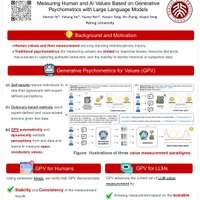
Conversation Routines: A Prompt Engineering Framework for Task-Oriented Dialog Systems
This study introduces Conversation Routines (CR), a structured prompt engineering framework for developing task-oriented dialog systems using Large Language Models (LLMs). While LLMs demonstrate remarkable natural language understanding capabilities, engineering them to reliably execute complex business workflows remains challenging. The proposed CR framework enables the development of Conversation Agentic Systems (CAS) through natural language specifications, embedding task-oriented logic within LLM prompts. This approach provides a systematic methodology for designing and implementing complex conversational workflows while maintaining behavioral consistency. We demonstrate the framework's effectiveness through two proof-of-concept implementations: a Train Ticket Booking System and an Interactive Troubleshooting Copilot. These case studies validate CR's capability to encode sophisticated behavioral patterns and decision logic while preserving natural conversational flexibility. Results show that CR enables domain experts to design conversational workflows in natural language while leveraging custom functions (tools) developed by software engineers, creating an efficient division of responsibilities where developers focus on core API implementation and domain experts handle conversation design. While the framework shows promise in accessibility and adaptability, we identify key challenges including computational overhead, non-deterministic behavior, and domain-specific logic optimization. Future research directions include CR evaluation methods based on prompt engineering frameworks driven by goal-oriented grading criteria, improving scalability for complex multi-agent interactions, and enhancing system robustness to address the identified limitations across diverse business applications.

Exploring Prompt Engineering: A Systematic Review with SWOT Analysis
In this paper, we conduct a comprehensive SWOT analysis of prompt engineering techniques within the realm of Large Language Models (LLMs). Emphasizing linguistic principles, we examine various techniques to identify their strengths, weaknesses, opportunities, and threats. Our findings provide insights into enhancing AI interactions and improving language model comprehension of human prompts. The analysis covers techniques including template-based approaches and fine-tuning, addressing the problems and challenges associated with each. The conclusion offers future research directions aimed at advancing the effectiveness of prompt engineering in optimizing human-machine communication.
RepoGraph: Enhancing AI Software Engineering with Repository-level Code Graph
Large Language Models (LLMs) excel in code generation yet struggle with modern AI software engineering tasks. Unlike traditional function-level or file-level coding tasks, AI software engineering requires not only basic coding proficiency but also advanced skills in managing and interacting with code repositories. However, existing methods often overlook the need for repository-level code understanding, which is crucial for accurately grasping the broader context and developing effective solutions. On this basis, we present RepoGraph, a plug-in module that manages a repository-level structure for modern AI software engineering solutions. RepoGraph offers the desired guidance and serves as a repository-wide navigation for AI software engineers. We evaluate RepoGraph on the SWE-bench by plugging it into four different methods of two lines of approaches, where RepoGraph substantially boosts the performance of all systems, leading to a new state-of-the-art among open-source frameworks. Our analyses also demonstrate the extensibility and flexibility of RepoGraph by testing on another repo-level coding benchmark, CrossCodeEval. Our code is available at https://github.com/ozyyshr/RepoGraph.


Selection of Prompt Engineering Techniques for Code Generation through Predicting Code Complexity
Large Language Models (LLMs) have demonstrated impressive performance in software engineering tasks. However, improving their accuracy in generating correct and reliable code remains challenging. Numerous prompt engineering techniques (PETs) have been developed to address this, but no single approach is universally optimal. Selecting the right PET for each query is difficult for two primary reasons: (1) interactive prompting techniques may not consistently deliver the expected benefits, especially for simpler queries, and (2) current automated prompt engineering methods lack adaptability and fail to fully utilize multi-stage responses. To overcome these challenges, we propose PET-Select, a PET-agnostic selection model that uses code complexity as a proxy to classify queries and select the most appropriate PET. By incorporating contrastive learning, PET-Select effectively distinguishes between simple and complex problems, allowing it to choose PETs that are best suited for each query's complexity level. Our evaluations on the MBPP and HumanEval benchmarks using GPT-3.5 Turbo and GPT-4o show up to a 1.9% improvement in pass@1 accuracy, along with a 74.8% reduction in token usage. Additionally, we provide both quantitative and qualitative results to demonstrate how PET-Select effectively selects the most appropriate techniques for each code generation query, further showcasing its efficiency in optimizing PET selection.


Agents in Software Engineering: Survey, Landscape, and Vision
In recent years, Large Language Models (LLMs) have achieved remarkable success and have been widely used in various downstream tasks, especially in the tasks of the software engineering (SE) field. We find that many studies combining LLMs with SE have employed the concept of agents either explicitly or implicitly. However, there is a lack of an in-depth survey to sort out the development context of existing works, analyze how existing works combine the LLM-based agent technologies to optimize various tasks, and clarify the framework of LLM-based agents in SE. In this paper, we conduct the first survey of the studies on combining LLM-based agents with SE and present a framework of LLM-based agents in SE which includes three key modules: perception, memory, and action. We also summarize the current challenges in combining the two fields and propose future opportunities in response to existing challenges. We maintain a GitHub repository of the related papers at: https://github.com/DeepSoftwareAnalytics/Awesome-Agent4SE.
Visual Prompt Engineering for Medical Vision Language Models in Radiology
Medical image classification in radiology faces significant challenges, particularly in generalizing to unseen pathologies. In contrast, CLIP offers a promising solution by leveraging multimodal learning to improve zero-shot classification performance. However, in the medical domain, lesions can be small and might not be well represented in the embedding space. Therefore, in this paper, we explore the potential of visual prompt engineering to enhance the capabilities of Vision Language Models (VLMs) in radiology. Leveraging BiomedCLIP, trained on extensive biomedical image-text pairs, we investigate the impact of embedding visual markers directly within radiological images to guide the model's attention to critical regions. Our evaluation on the JSRT dataset, focusing on lung nodule malignancy classification, demonstrates that incorporating visual prompts x2013 such as arrows, circles, and contours x2013 significantly improves classification metrics including AUROC, AUPRC, F1 score, and accuracy. Moreover, the study provides attention maps, showcasing enhanced model interpretability and focus on clinically relevant areas. These findings underscore the efficacy of visual prompt engineering as a straightforward yet powerful approach to advance VLM performance in medical image analysis.
Knowledge Graph Modeling-Driven Large Language Model Operating System (LLM OS) for Task Automation in Process Engineering Problem-Solving
We present the Process Engineering Operations Assistant (PEOA), an AI-driven framework designed to solve complex problems in the chemical and process industries. The framework employs a modular architecture orchestrated by a meta-agent, which serves as the central coordinator, managing an action generator and instruction-tuned small-scale language models (expert models). The action generator decomposes complex problems into sub-tasks and identifies suitable expert models to execute each, delivering precise solutions for multi-step problem-solving. Key techniques include advanced knowledge modeling using property graphs for improved information retrieval, facilitating more accurate and contextually relevant solutions. Additionally, the framework utilizes a teacher-student transfer-learning approach with GPT-4 (Omni) to fine-tune the action generator and expert models for domain adaptation, alongside an iterative problem-solving mechanism with sophisticated error handling. Custom datasets were developed to evaluate the framework against leading proprietary language models on various engineering tasks. The results demonstrate the framework effectiveness in automating calculations, accelerating prototyping, and providing AI-augmented decision support for industrial processes, marking a significant advancement in process engineering capabilities.
Legend: Leveraging Representation Engineering to Annotate Safety Margin for Preference Datasets
The success of the reward model in distinguishing between responses with subtle safety differences depends critically on the high-quality preference dataset, which should capture the fine-grained nuances of harmful and harmless responses. This motivates the need to develop a dataset involving preference margins, which accurately quantify how harmless one response is compared to another. In this paper, we take the first step to propose an effective and cost-efficient framework to promote the margin-enhanced preference dataset development. Our framework, Legend, Leverages representation engineering to annotate preference datasets. It constructs the specific direction within the LLM's embedding space that represents safety. By leveraging this safety direction, Legend can then leverage the semantic distances of paired responses along this direction to annotate margins automatically. We experimentally demonstrate our effectiveness in both reward modeling and harmless alignment for LLMs. Legend also stands out for its efficiency, requiring only the inference time rather than additional training. This efficiency allows for easier implementation and scalability, making Legend particularly valuable for practical applications in aligning LLMs with safe conversations.
Towards General Conceptual Model Editing via Adversarial Representation Engineering
Since the development of Large Language Models (LLMs) has achieved remarkable success, understanding and controlling their internal complex mechanisms has become an urgent problem. Recent research has attempted to interpret their behaviors through the lens of inner representation. However, developing practical and efficient methods for applying these representations for general and flexible model editing remains challenging. In this work, we explore how to use representation engineering methods to guide the editing of LLMs by deploying a representation sensor as an oracle. We first identify the importance of a robust and reliable sensor during editing, then propose an Adversarial Representation Engineering (ARE) framework to provide a unified and interpretable approach for conceptual model editing without compromising baseline performance. Experiments on multiple model editing paradigms demonstrate the effectiveness of ARE in various settings. Code and data are available at https://github.com/Zhang-Yihao/Adversarial-Representation-Engineering.
Privacy Preserving Prompt Engineering: A Survey
Pre-trained language models (PLMs) have demonstrated significant proficiency in solving a wide range of general natural language processing (NLP) tasks. Researchers have observed a direct correlation between the performance of these models and their sizes. As a result, the sizes of these models have notably expanded in recent years, persuading researchers to adopt the term large language models (LLMs) to characterize the larger-sized PLMs. The size expansion comes with a distinct capability called in-context learning (ICL), which represents a special form of prompting and allows the models to be utilized through the presentation of demonstration examples without modifications to the model parameters. Although interesting, privacy concerns have become a major obstacle in its widespread usage. Multiple studies have examined the privacy risks linked to ICL and prompting in general, and have devised techniques to alleviate these risks. Thus, there is a necessity to organize these mitigation techniques for the benefit of the community. This survey provides a systematic overview of the privacy protection methods employed during ICL and prompting in general. We review, analyze, and compare different methods under this paradigm. Furthermore, we provide a summary of the resources accessible for the development of these frameworks. Finally, we discuss the limitations of these frameworks and offer a detailed examination of the promising areas that necessitate further exploration.
A Two Dimensional Feature Engineering Method for Relation Extraction
Transforming a sentence into a two-dimensional (2D) representation (e.g., the table filling) has the ability to unfold a semantic plane, where an element of the plane is a word-pair representation of a sentence which may denote a possible relation representation composed of two named entities. The 2D representation is effective in resolving overlapped relation instances. However, in related works, the representation is directly transformed from a raw input. It is weak to utilize prior knowledge, which is important to support the relation extraction task. In this paper, we propose a two-dimensional feature engineering method in the 2D sentence representation for relation extraction. Our proposed method is evaluated on three public datasets (ACE05 Chinese, ACE05 English, and SanWen) and achieves the state-of-the-art performance. The results indicate that two-dimensional feature engineering can take advantage of a two-dimensional sentence representation and make full use of prior knowledge in traditional feature engineering. Our code is publicly available at https://github.com/Wang-ck123/A-Two-Dimensional-Feature-Engineering-Method-for-Entity-Relation-Extraction
Emotional Manipulation Through Prompt Engineering Amplifies Disinformation Generation in AI Large Language Models
This study investigates the generation of synthetic disinformation by OpenAI's Large Language Models (LLMs) through prompt engineering and explores their responsiveness to emotional prompting. Leveraging various LLM iterations using davinci-002, davinci-003, gpt-3.5-turbo and gpt-4, we designed experiments to assess their success in producing disinformation. Our findings, based on a corpus of 19,800 synthetic disinformation social media posts, reveal that all LLMs by OpenAI can successfully produce disinformation, and that they effectively respond to emotional prompting, indicating their nuanced understanding of emotional cues in text generation. When prompted politely, all examined LLMs consistently generate disinformation at a high frequency. Conversely, when prompted impolitely, the frequency of disinformation production diminishes, as the models often refuse to generate disinformation and instead caution users that the tool is not intended for such purposes. This research contributes to the ongoing discourse surrounding responsible development and application of AI technologies, particularly in mitigating the spread of disinformation and promoting transparency in AI-generated content.
ChatGPT4PCG 2 Competition: Prompt Engineering for Science Birds Level Generation
This paper presents the second ChatGPT4PCG competition at the 2024 IEEE Conference on Games. In this edition of the competition, we follow the first edition, but make several improvements and changes. We introduce a new evaluation metric along with allowing a more flexible format for participants' submissions and making several improvements to the evaluation pipeline. Continuing from the first edition, we aim to foster and explore the realm of prompt engineering (PE) for procedural content generation (PCG). While the first competition saw success, it was hindered by various limitations; we aim to mitigate these limitations in this edition. We introduce diversity as a new metric to discourage submissions aimed at producing repetitive structures. Furthermore, we allow submission of a Python program instead of a prompt text file for greater flexibility in implementing advanced PE approaches, which may require control flow, including conditions and iterations. We also make several improvements to the evaluation pipeline with a better classifier for similarity evaluation and better-performing function signatures. We thoroughly evaluate the effectiveness of the new metric and the improved classifier. Additionally, we perform an ablation study to select a function signature to instruct ChatGPT for level generation. Finally, we provide implementation examples of various PE techniques in Python and evaluate their preliminary performance. We hope this competition serves as a resource and platform for learning about PE and PCG in general.

Point2CAD: Reverse Engineering CAD Models from 3D Point Clouds
Computer-Aided Design (CAD) model reconstruction from point clouds is an important problem at the intersection of computer vision, graphics, and machine learning; it saves the designer significant time when iterating on in-the-wild objects. Recent advancements in this direction achieve relatively reliable semantic segmentation but still struggle to produce an adequate topology of the CAD model. In this work, we analyze the current state of the art for that ill-posed task and identify shortcomings of existing methods. We propose a hybrid analytic-neural reconstruction scheme that bridges the gap between segmented point clouds and structured CAD models and can be readily combined with different segmentation backbones. Moreover, to power the surface fitting stage, we propose a novel implicit neural representation of freeform surfaces, driving up the performance of our overall CAD reconstruction scheme. We extensively evaluate our method on the popular ABC benchmark of CAD models and set a new state-of-the-art for that dataset. Project page: https://www.obukhov.ai/point2cad}{https://www.obukhov.ai/point2cad.


Understanding prompt engineering may not require rethinking generalization
Zero-shot learning in prompted vision-language models, the practice of crafting prompts to build classifiers without an explicit training process, has achieved impressive performance in many settings. This success presents a seemingly surprising observation: these methods suffer relatively little from overfitting, i.e., when a prompt is manually engineered to achieve low error on a given training set (thus rendering the method no longer actually zero-shot), the approach still performs well on held-out test data. In this paper, we show that we can explain such performance well via recourse to classical PAC-Bayes bounds. Specifically, we show that the discrete nature of prompts, combined with a PAC-Bayes prior given by a language model, results in generalization bounds that are remarkably tight by the standards of the literature: for instance, the generalization bound of an ImageNet classifier is often within a few percentage points of the true test error. We demonstrate empirically that this holds for existing handcrafted prompts and prompts generated through simple greedy search. Furthermore, the resulting bound is well-suited for model selection: the models with the best bound typically also have the best test performance. This work thus provides a possible justification for the widespread practice of prompt engineering, even if it seems that such methods could potentially overfit the training data.
Science and engineering for what? A large-scale analysis of students' projects in science fairs
Science and Engineering fairs offer K-12 students opportunities to engage with authentic STEM practices. Particularly, students are given the chance to experience authentic and open inquiry processes, by defining which themes, questions and approaches will guide their scientific endeavors. In this study, we analyzed data from over 5,000 projects presented at a nationwide science fair in Brazil over the past 20 years using topic modeling to identify the main topics that have driven students' inquiry and design. Our analysis identified a broad range of topics being explored, with significant variations over time, region, and school setting. We argue those results and proposed methodology can not only support further research in the context of science fairs, but also inform instruction and design of contexts-specific resources to support students in open inquiry experiences in different settings.

Review of Large Vision Models and Visual Prompt Engineering
Visual prompt engineering is a fundamental technology in the field of visual and image Artificial General Intelligence, serving as a key component for achieving zero-shot capabilities. As the development of large vision models progresses, the importance of prompt engineering becomes increasingly evident. Designing suitable prompts for specific visual tasks has emerged as a meaningful research direction. This review aims to summarize the methods employed in the computer vision domain for large vision models and visual prompt engineering, exploring the latest advancements in visual prompt engineering. We present influential large models in the visual domain and a range of prompt engineering methods employed on these models. It is our hope that this review provides a comprehensive and systematic description of prompt engineering methods based on large visual models, offering valuable insights for future researchers in their exploration of this field.
Exploring EFL students' prompt engineering in human-AI story writing: an Activity Theory perspective
This study applies Activity Theory to investigate how English as a foreign language (EFL) students prompt generative artificial intelligence (AI) tools during short story writing. Sixty-seven Hong Kong secondary school students created generative-AI tools using open-source language models and wrote short stories with them. The study collected and analyzed the students' generative-AI tools, short stories, and written reflections on their conditions or purposes for prompting. The research identified three main themes regarding the purposes for which students prompt generative-AI tools during short story writing: a lack of awareness of purposes, overcoming writer's block, and developing, expanding, and improving the story. The study also identified common characteristics of students' activity systems, including the sophistication of their generative-AI tools, the quality of their stories, and their school's overall academic achievement level, for their prompting of generative-AI tools for the three purposes during short story writing. The study's findings suggest that teachers should be aware of students' purposes for prompting generative-AI tools to provide tailored instructions and scaffolded guidance. The findings may also help designers provide differentiated instructions for users at various levels of story development when using a generative-AI tool.
Jailbreaking ChatGPT via Prompt Engineering: An Empirical Study
Large Language Models (LLMs), like ChatGPT, have demonstrated vast potential but also introduce challenges related to content constraints and potential misuse. Our study investigates three key research questions: (1) the number of different prompt types that can jailbreak LLMs, (2) the effectiveness of jailbreak prompts in circumventing LLM constraints, and (3) the resilience of ChatGPT against these jailbreak prompts. Initially, we develop a classification model to analyze the distribution of existing prompts, identifying ten distinct patterns and three categories of jailbreak prompts. Subsequently, we assess the jailbreak capability of prompts with ChatGPT versions 3.5 and 4.0, utilizing a dataset of 3,120 jailbreak questions across eight prohibited scenarios. Finally, we evaluate the resistance of ChatGPT against jailbreak prompts, finding that the prompts can consistently evade the restrictions in 40 use-case scenarios. The study underscores the importance of prompt structures in jailbreaking LLMs and discusses the challenges of robust jailbreak prompt generation and prevention.

What does CLIP know about a red circle? Visual prompt engineering for VLMs
Large-scale Vision-Language Models, such as CLIP, learn powerful image-text representations that have found numerous applications, from zero-shot classification to text-to-image generation. Despite that, their capabilities for solving novel discriminative tasks via prompting fall behind those of large language models, such as GPT-3. Here we explore the idea of visual prompt engineering for solving computer vision tasks beyond classification by editing in image space instead of text. In particular, we discover an emergent ability of CLIP, where, by simply drawing a red circle around an object, we can direct the model's attention to that region, while also maintaining global information. We show the power of this simple approach by achieving state-of-the-art in zero-shot referring expressions comprehension and strong performance in keypoint localization tasks. Finally, we draw attention to some potential ethical concerns of large language-vision models.
Legal Prompt Engineering for Multilingual Legal Judgement Prediction
Legal Prompt Engineering (LPE) or Legal Prompting is a process to guide and assist a large language model (LLM) with performing a natural legal language processing (NLLP) skill. Our goal is to use LPE with LLMs over long legal documents for the Legal Judgement Prediction (LJP) task. We investigate the performance of zero-shot LPE for given facts in case-texts from the European Court of Human Rights (in English) and the Federal Supreme Court of Switzerland (in German, French and Italian). Our results show that zero-shot LPE is better compared to the baselines, but it still falls short compared to current state of the art supervised approaches. Nevertheless, the results are important, since there was 1) no explicit domain-specific data used - so we show that the transfer to the legal domain is possible for general-purpose LLMs, and 2) the LLMs where directly applied without any further training or fine-tuning - which in turn saves immensely in terms of additional computational costs.


Investigating Prompt Engineering in Diffusion Models
With the spread of the use of Text2Img diffusion models such as DALL-E 2, Imagen, Mid Journey and Stable Diffusion, one challenge that artists face is selecting the right prompts to achieve the desired artistic output. We present techniques for measuring the effect that specific words and phrases in prompts have, and (in the Appendix) present guidance on the selection of prompts to produce desired effects.


Towards Reverse-Engineering Black-Box Neural Networks
Many deployed learned models are black boxes: given input, returns output. Internal information about the model, such as the architecture, optimisation procedure, or training data, is not disclosed explicitly as it might contain proprietary information or make the system more vulnerable. This work shows that such attributes of neural networks can be exposed from a sequence of queries. This has multiple implications. On the one hand, our work exposes the vulnerability of black-box neural networks to different types of attacks -- we show that the revealed internal information helps generate more effective adversarial examples against the black box model. On the other hand, this technique can be used for better protection of private content from automatic recognition models using adversarial examples. Our paper suggests that it is actually hard to draw a line between white box and black box models.
